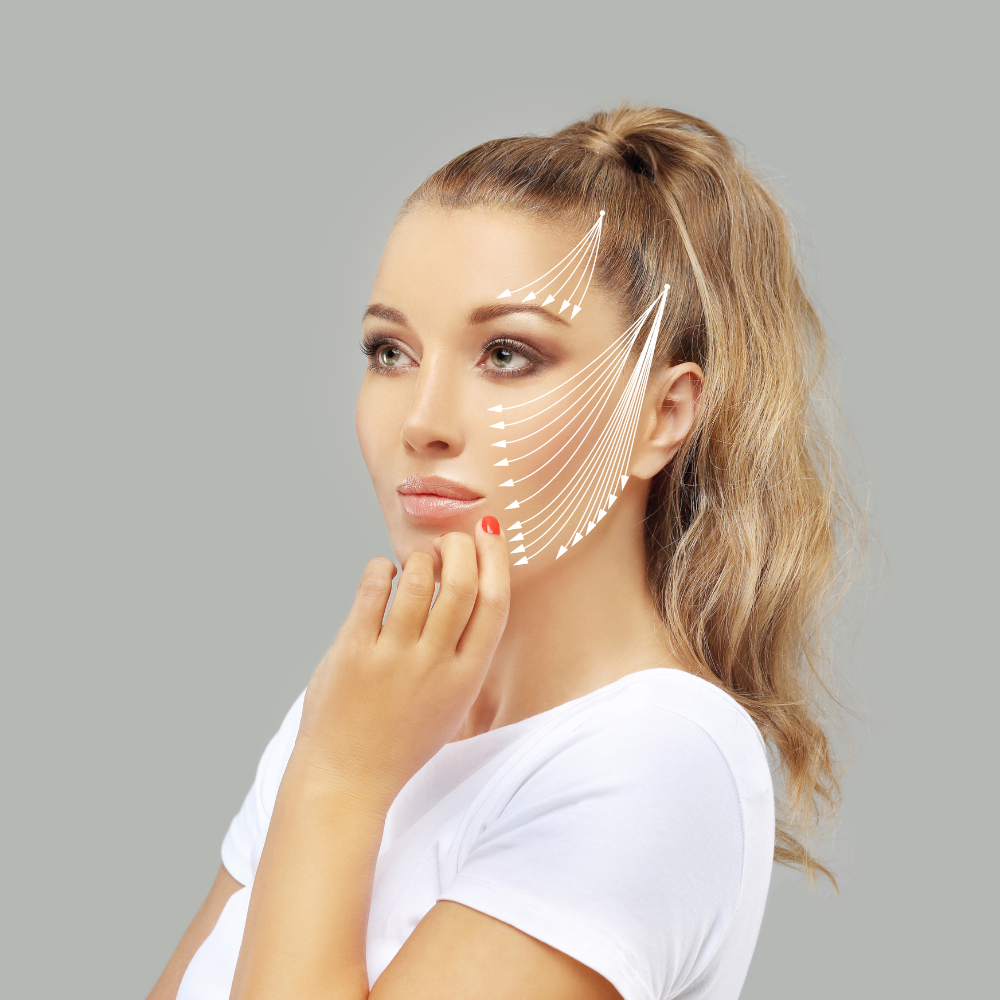
Facelift Surgery in India (Rhytidectomy) — Rediscover a Younger, More Confident You
Table of Contents
At RGIMS (RG Institute of Maxillofacial Surgery), Dr. Rahul Gogoi leads one of India’s most respected facial plastic surgery practices, offering a comprehensive range of facelift procedures tailored to each patient’s unique anatomy, goals, and stage of facial aging. Whether you are considering a subtle refinement through a mini facelift or a comprehensive transformation via a deep plane facelift combined with a neck lift, RGIMS offers the surgical expertise, advanced technique, and compassionate care that the decision deserves.
What Is Rhytidectomy (Facelift Surgery)?
Rhytidectomy, commonly known as facelift surgery, is a cosmetic surgical procedure that lifts and tightens sagging facial and neck tissues to create a smoother, more youthful appearance. The term comes from the Greek words rhytid (wrinkle) and ektome (excision)—literally meaning “wrinkle removal.” It is performed by a board-certified plastic surgeon and addresses signs of aging in the lower two-thirds of the face.
Understanding Facial Aging: Why the Face Changes with Time
To appreciate what a facelift can achieve, it helps to understand exactly why and how the face ages. Facial aging is not a single event — it is a complex, multi-layered process driven by several simultaneous changes.
Collagen and Elastin Loss From the late twenties onwards, the skin produces progressively less collagen and elastin — the structural proteins responsible for firmness, elasticity, and a smooth surface texture. As these proteins diminish, the skin loses its ability to spring back into position, leading to fine lines, wrinkles, and increasing laxity.
The Effects of Gravity Over decades, gravity exerts a continuous downward pull on all facial soft tissues. Fat compartments that once sat high and full in the cheeks begin to descend toward the jowls and lower face. The midface loses its youthful convexity, and the lower face acquires unwanted fullness and shadow.
Fat Redistribution Facial fat does not simply disappear with age — it migrates. The youthful face is characterized by full upper cheeks and a defined jawline. With aging, fat descends from the cheeks into the jowl region, creating a heavy lower face while the midface appears deflated and hollow.
Muscle Weakening and SMAS Descent The SMAS — a fibromuscular layer that connects the facial muscles to the overlying skin — gradually loosens over time. As this layer descends, the overlying skin follows, producing sagging in the cheeks, jowls, and neck. This is why SMAS-level surgery, rather than skin-only tightening, is critical for durable and natural facelift results.
Bone Structure Changes The facial skeleton itself undergoes remodeling with age. The orbital rims enlarge, the midface bones recede, and the lower jaw loses bone volume — subtly altering the scaffolding on which soft tissues rest, and contributing to the hollowing and sagging visible in an aging face.
Environmental and Lifestyle Factors Sun exposure, smoking, significant weight fluctuations, poor nutrition, and chronic stress all accelerate facial aging. UV radiation degrades collagen and creates photoaging, while smoking impairs skin microcirculation and healing — which is also why smoking cessation before facelift surgery is non-negotiable.
Signs You May Be a Candidate for Facelift Surgery
Facelift surgery is not about looking younger for vanity’s sake — it is about restoring facial harmony when the face no longer reflects how you feel. You may be a suitable candidate if you notice one or more of the following:
- Sagging cheeks — the midface has descended, giving the face a flat or hollow appearance where it was once full
- Jowling — soft tissue that has descended along the jawline, blurring the once-crisp border between face and neck
- Loose neck skin — the neck appears crepey, loose, or shows prominent vertical bands (platysmal banding)
- Deep nasolabial folds — the lines running from the nose to the corners of the mouth have become prominent grooves
- Marionette lines — lines extending downward from the mouth corners, giving an unintentionally stern or sad expression
- Loss of jawline definition — the jaw that was once clearly defined is now softened or indistinct
- Facial volume displacement — cheeks that appear flat while the lower face looks heavy
- A consistently tired or aged expression — regardless of rest or mood, the resting face communicates fatigue
Good candidates are typically in their forties through sixties, though facelift surgery is performed in younger patients with significant early aging and in well-selected patients in their seventies. Good general health, non-smoking status, realistic expectations, and psychological readiness are as important as the physical indications.
Meet Dr. Rahul Gogoi — Facial Plastic Surgeon, RGIMS
Dr. Rahul Gogoi is a maxillofacial and facial plastic surgeon with specialized training and focused clinical expertise in facial rejuvenation surgery. As the founder and lead surgeon at RGIMS, he has built a practice distinguished not only by surgical skill but by a deeply patient-centric philosophy: every face is unique, and every surgical plan must honor that individuality.
Dr. Gogoi’s approach to facelift surgery is rooted in three core principles:
Anatomical Precision — Understanding facial anatomy in three dimensions, including the SMAS layer, facial retaining ligaments, fat compartments, and the relationship between deep structures and surface appearance, is the foundation of every procedure he performs. His surgery works at the level where aging actually occurs — not merely at the skin surface.
Natural Aesthetic Outcomes — The goal of facelift surgery at RGIMS is never to produce dramatic, obviously operated-upon results. Dr. Gogoi’s aesthetic philosophy centers on restoring balance, proportion, and youthful contour in a way that is harmonious with each patient’s features and ethnic background. Patients are meant to look refreshed — not different.
Personalized Surgical Planning — No two facelifts at RGIMS are identical, because no two faces are the same. Dr. Gogoi conducts thorough preoperative consultations that include facial photography, detailed anatomical assessment, skin quality analysis, and a thorough discussion of patient goals. This careful planning process is what ensures consistently excellent, natural-looking results.
Dr. Gogoi’s training and clinical experience in facial plastic and maxillofacial surgery, combined with an internationally-informed understanding of modern facelift techniques, position him as one of the most sought-after facial rejuvenation surgeons in India.
Why Choose RGIMS for Facelift Surgery in India?
India has emerged as a destination of genuine international significance for facial plastic surgery — not merely because of cost, but because a select group of surgeons and institutions have developed expertise and infrastructure that competes with the best centers globally. RGIMS is among that select group.
Advanced Facial Surgery Expertise RGIMS is a dedicated facial surgery practice. This focus means that every element of the facility, every protocol, and every team member is oriented toward the singular goal of delivering excellent facial surgical outcomes. This is not a general plastic surgery practice where facelifts are one of dozens of procedures offered — facial surgery is the core specialization.
Modern Surgical Technology and Infrastructure RGIMS is equipped with modern surgical infrastructure including advanced anesthesia monitoring, operating-room-grade lighting and magnification, and post-operative recovery facilities designed with patient safety and comfort in mind.
Truly Personalized Treatment Planning The consultation process at RGIMS is unhurried and thorough. Dr. Gogoi takes the time to understand not just what a patient wants to change, but their broader health picture, lifestyle, aesthetic sensibility, and psychological readiness. Surgical plans are designed around the patient — not the other way around.
Stringent Safety Protocols Patient safety is the non-negotiable foundation of every procedure at RGIMS. Preoperative health screening, anesthesia evaluation, intraoperative monitoring, and structured postoperative follow-up are all built into the standard care pathway.
Natural, Long-Lasting Results Results at RGIMS are designed to last and to evolve gracefully. By addressing the deeper structural causes of facial aging rather than simply tightening the skin, outcomes remain natural and harmonious for many years.
Comprehensive Long-Term Follow-Up The relationship between RGIMS and its patients does not end in the recovery room. Structured follow-up appointments, scar management, adjunctive skin treatments, and ongoing aesthetic guidance are all part of the post-surgical care experience.
International Standards of Care, Indian Accessibility Patients traveling from other cities or countries receive dedicated support including online consultations, travel coordination assistance, and post-operative care planning — ensuring that geography is never a barrier to accessing excellent surgery.
Types of Facelift Procedures Performed at RGIMS
One of the most important things to understand about facelift surgery is that it is not a single, monolithic procedure. The right operation depends entirely on the individual patient — their anatomy, the degree and distribution of their facial aging, their goals, and their recovery expectations. At RGIMS, the full spectrum of facelift techniques is available, ensuring that each patient receives the procedure specifically suited to their needs.
Deep Plane Facelift
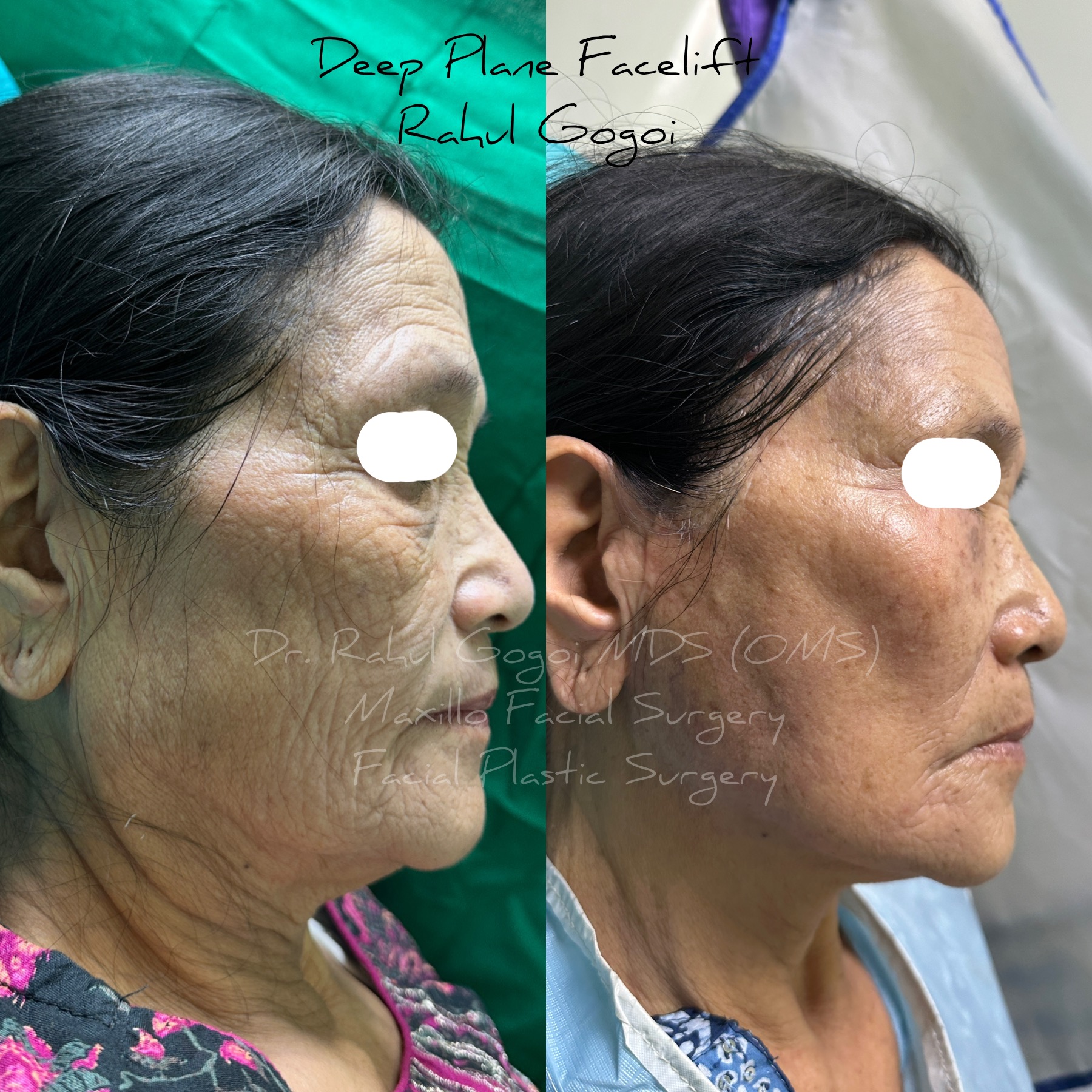
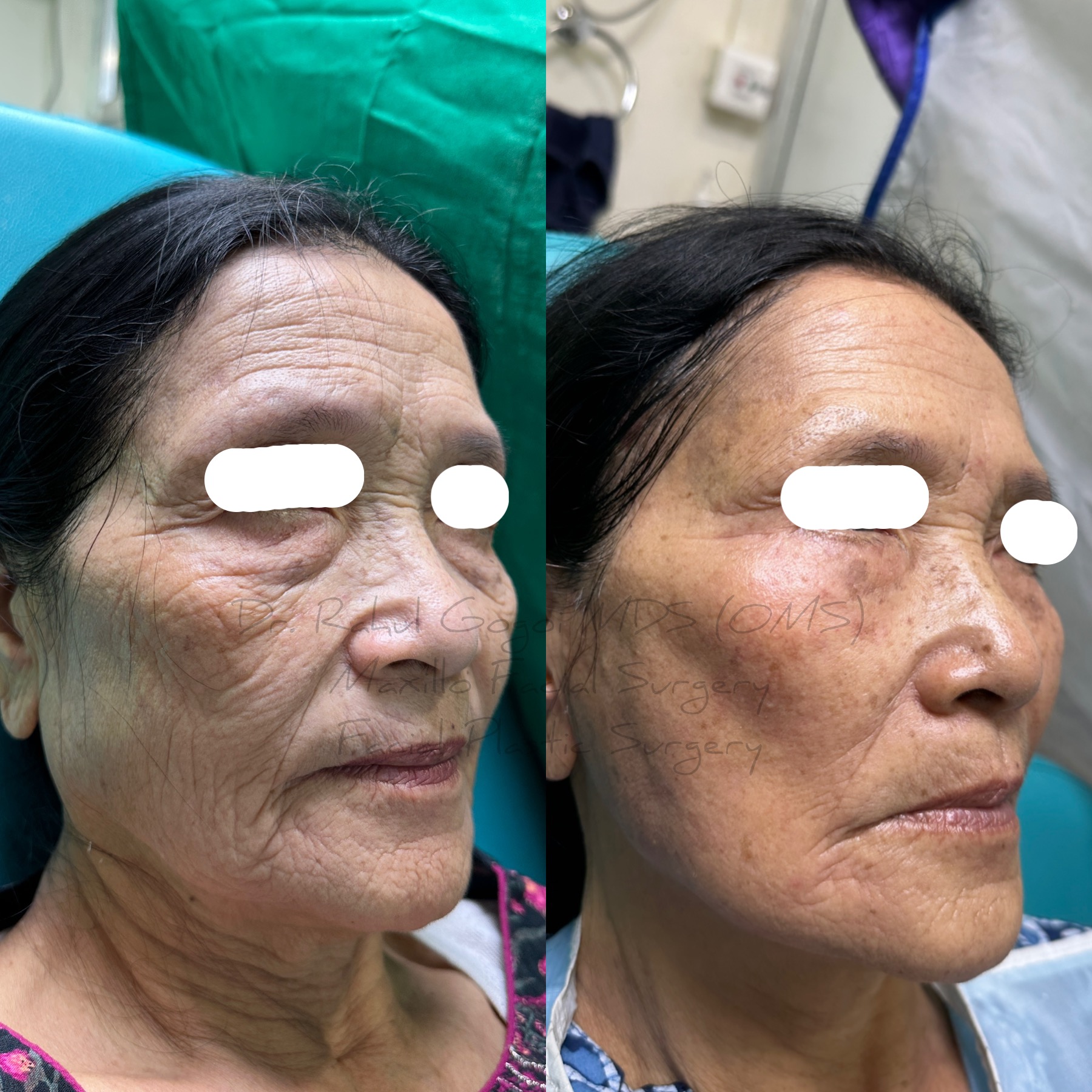
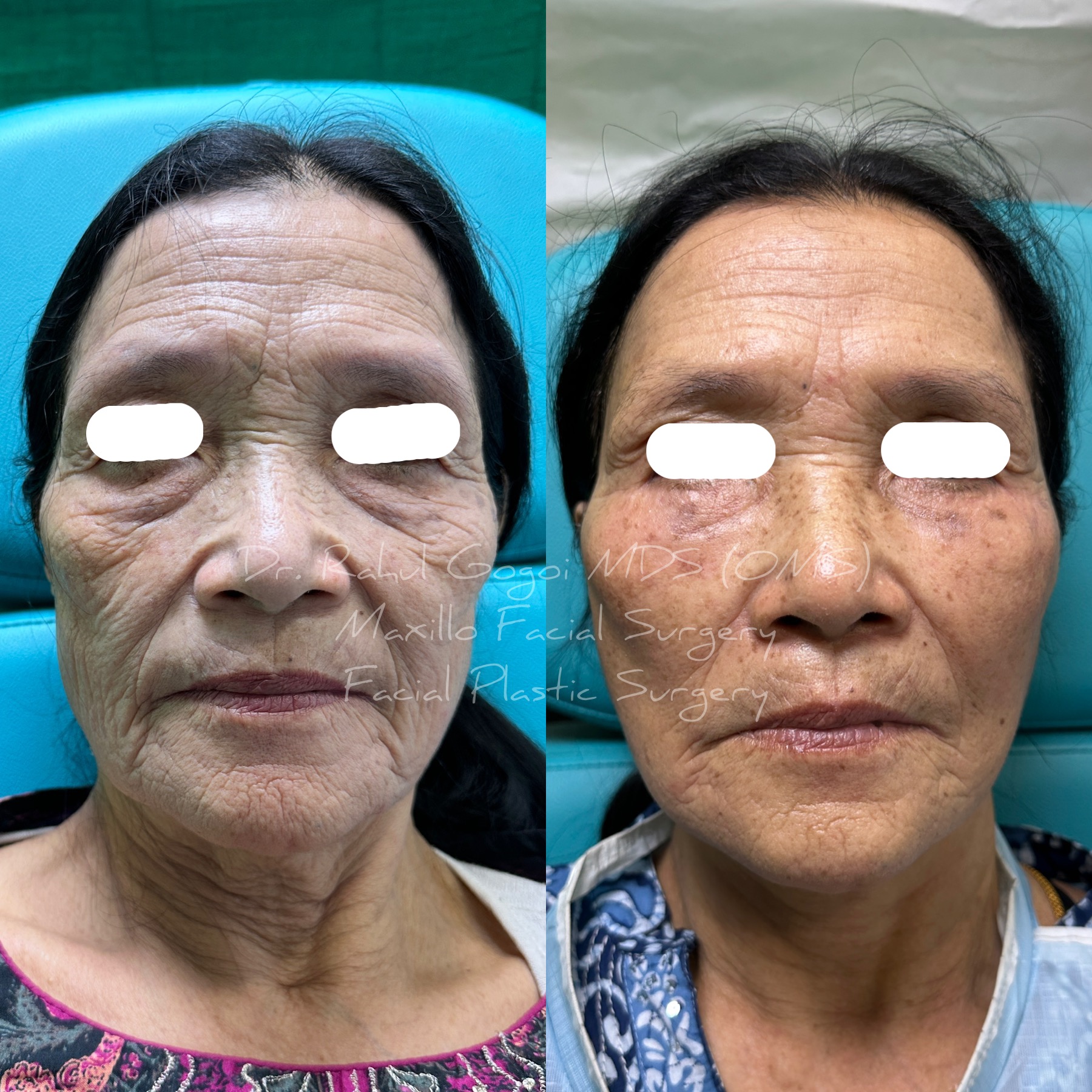
The deep plane facelift is widely considered the most powerful and durable of all facelift techniques. Developed to address the limitations of more superficial approaches, the deep plane facelift releases key facial retaining ligaments at the deeper levels of the face, allowing the entire facial soft tissue envelope — including the SMAS, underlying fat, and skin — to be lifted as a single, composite unit. This approach is particularly effective for patients with significant midface descent, prominent nasolabial folds, and significant jowling. Results are natural, comprehensive, and exceptionally long-lasting.
SMAS Facelift
The SMAS (Superficial Musculoaponeurotic System) facelift addresses the muscular and fibrous layer that lies beneath the skin of the face. By lifting and repositioning the SMAS rather than simply tightening the overlying skin, this technique produces more natural, sustainable results than older, skin-only facelift methods. SMAS surgery corrects jowling, redefines the jawline, and improves the lower face and neck without the tell-tale pulled appearance of skin-tension procedures.
Mini Facelift
The mini facelift is designed for patients in earlier stages of facial aging who have mild to moderate jowling or lower face laxity but do not yet require the full structural correction of a comprehensive facelift. Performed through shorter incisions and with a faster recovery time, the mini facelift is an excellent option for patients in their forties seeking proactive correction, or for those with limited aging changes who want refinement rather than major transformation
Midface Lift
The midface — the region between the lower eyelids and the upper lip — ages in ways that standard lower face facelifts do not fully address. Midface lifting specifically targets the descent of the malar fat pad (the rounded fullness of the upper cheek), restoring youthful convexity to the cheeks and softening the tear trough and nasolabial fold. At RGIMS, midface lifting can be performed independently or in combination with a full facelift for comprehensive facial rejuvenation.
Neck Lift
The neck is often the first region to show visible signs of aging, and neck lift surgery addresses the full range of neck aging concerns — loose, crepey skin, prominent vertical platysmal bands, submental fat accumulation (double chin), and loss of the crisp cervicomental angle. A neck lift at RGIMS may involve platysmal tightening, submental liposuction, and careful skin excision to restore a clean, defined, youthful neck contour. It is frequently combined with facelift surgery for comprehensive lower face and neck rejuvenation.
Lower Facelift
The lower facelift concentrates surgical correction on the jawline, jowls, and upper neck — the regions most commonly affected by early to moderate facial aging. It is a well-targeted option for patients whose primary concerns are jawline blurring, jowling, and early neck laxity, and who do not yet require comprehensive midface work.
Full Facelift
A full facelift combines lower facial and neck surgery with midface correction to comprehensively address all zones of facial aging in a single surgical session. It is the most complete option for patients with moderate to advanced facial aging across multiple areas. Full facelift surgery at RGIMS is carefully planned to ensure that every zone of the face is addressed in anatomical harmony, producing balanced, unified results.
Combination Facial Rejuvenation Surgery
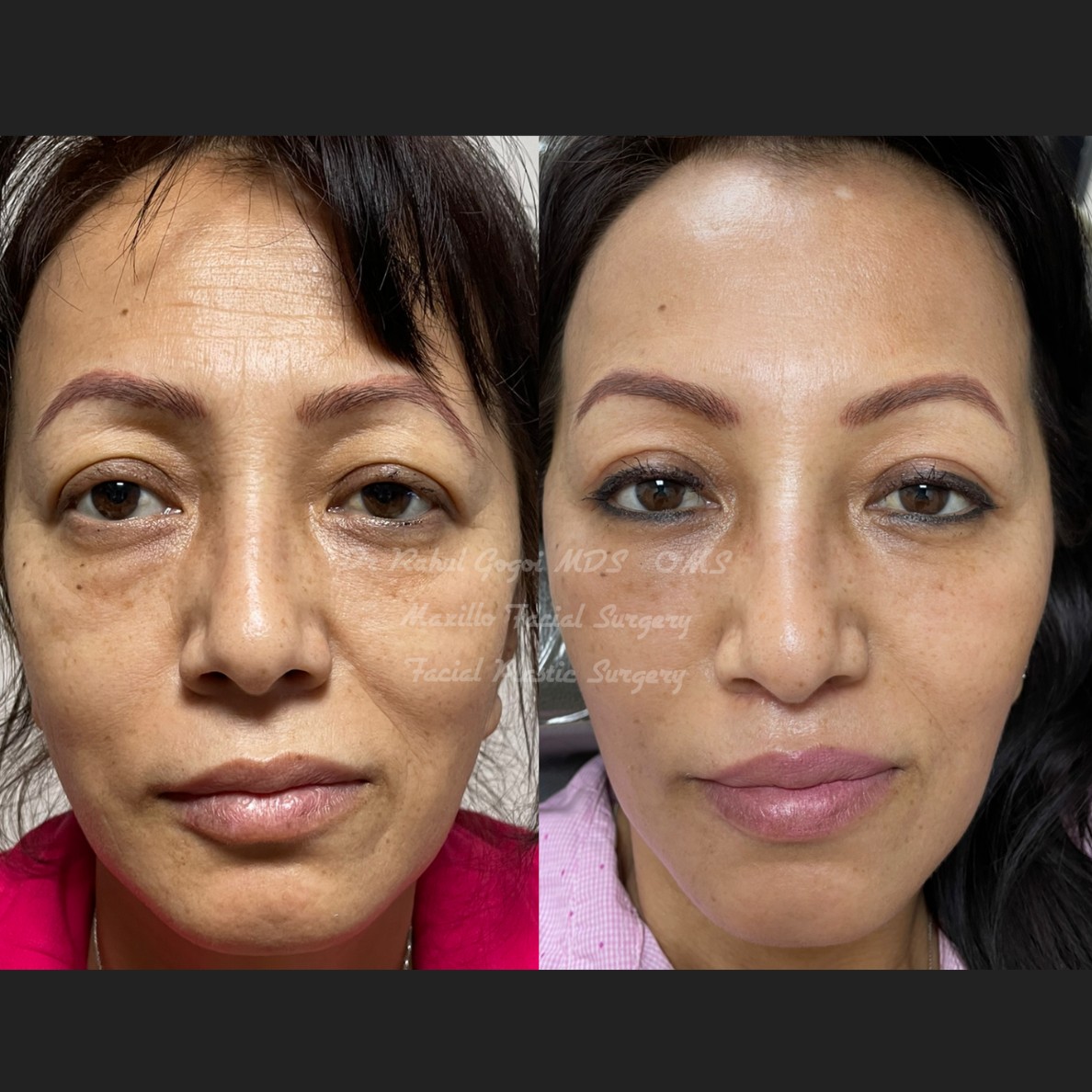
Many patients achieve the most complete facial transformation through a thoughtfully planned combination of procedures performed in a single surgical session. Dr. Gogoi frequently combines facelift surgery with eyelid surgery (blepharoplasty), brow lift, fat grafting, and neck lift to produce comprehensive, harmonious rejuvenation of the entire face. The synergy of these combined procedures often produces results that are greater than the sum of their individual parts.
Areas Improved by Facelift Surgery
A well-executed facelift produces improvement across multiple anatomical zones simultaneously:
- Cheeks — Restored volume and lift to the malar region; a youthful convexity replaces the hollowed, flat midface
- Jawline — A clearly defined, crisp jawline replacing the previously blurred or jowled border
- Neck — A smooth, contoured neck with restored cervicomental angle and elimination of banding
- Nasolabial folds — Reduction in the depth of the lines from nose to mouth corners through midface tissue repositioning
- Marionette lines — Softening of the downward lines from the mouth corners through lower face lift
- Jowls — Elimination of descended soft tissue accumulation along the jaw
- Facial sagging — Globally refreshed facial architecture as tissues are returned toward their original positions
- Facial contours — Reestablishment of the heart-shaped or oval facial silhouette of youth
The RGIMS Consultation Process
The consultation at RGIMS is the beginning of your surgical journey — and it is treated with the seriousness that decision deserves.
Comprehensive Facial Assessment Dr. Gogoi conducts a thorough clinical assessment of your facial anatomy — evaluating skin quality, degree of laxity, fat distribution, bone structure, and the specific pattern of your aging.
Standardized Facial Photography A series of standardized photographs from multiple angles creates a visual baseline for surgical planning and allows Dr. Gogoi to walk you through the specific changes he proposes.
Skin Quality and Healing Potential Analysis The quality of your skin — its thickness, elasticity, degree of photoaging, and healing history — directly informs the surgical approach. Patients with very thin or sun-damaged skin may benefit from adjunctive skin treatments in preparation for surgery.
Open Discussion of Patient Goals and Expectations Understanding what you hope to achieve — and, equally importantly, what you want to preserve — is central to the consultation. Dr. Gogoi takes considerable time to explore your goals, concerns, and any previous cosmetic treatments you have had.
Customized Surgical Planning Based on the assessment, Dr. Gogoi develops a completely personalized surgical plan detailing the specific technique, combination of procedures, anesthesia approach, anticipated recovery, and expected results. There is no template — every plan is built for you.
Step-by-Step: What Happens During Facelift Surgery
Understanding the surgical process helps demystify the procedure and sets realistic expectations for the experience.
Anesthesia Facelift surgery at RGIMS is performed under general anesthesia or IV sedation with local anesthesia, depending on the extent of the procedure and patient preference. A board-certified anesthesiologist is present throughout.
Incision Placement Incisions are carefully planned to be as concealed as possible. Typically, the incision begins in the hairline at the temple, curves naturally around the front of the ear, follows the contour of the ear, passes behind the earlobe, and extends into the posterior hairline. In neck lift surgery, a small additional incision may be placed beneath the chin. The precise placement and design of incisions vary depending on the patient’s anatomy and the procedure being performed.
Deep Tissue Elevation and Repositioning Once the incisions are placed, the skin is elevated to access the underlying SMAS layer. Depending on the technique, the SMAS is imbricated (folded), plicated (sutured in position), or fully elevated and released from the facial retaining ligaments (in deep plane surgery). The facial tissues are then repositioned in a more superior and posterior direction — the reverse of the direction in which they have descended over time.
SMAS Tightening and Fixation The repositioned SMAS is secured with permanent or long-lasting sutures to maintain its new position. This internal fixation is what makes modern facelift results durable.
Excess Skin Removal Only after the deeper tissues have been repositioned is the excess skin trimmed. Because the tension of the lift is carried by the SMAS — not the skin — only a modest amount of skin removal is required, and the closure is performed without tension. This is what prevents the stretched, pulled appearance.
Closure and Dressing Incisions are closed in multiple layers with fine sutures. Small drainage tubes may be placed temporarily to prevent fluid accumulation. A supportive facial dressing is applied. The patient moves to the recovery area, where they are monitored until ready for discharge.
Advanced Facelift Techniques at RGIMS
RGIMS offers a technically sophisticated facelift experience informed by the most current advances in facial plastic surgery:
Deep Plane Techniques — for patients requiring comprehensive structural correction, the deep plane approach addresses aging at its root, releasing retaining ligaments and repositioning the entire soft tissue unit.
Natural Vector Lifting — tissue is repositioned along vectors that precisely reverse the descent that has occurred, rather than simply pulling in an arbitrary direction. This is what produces natural — rather than distorted — results.
Scar Concealment and Camouflage — incision design is tailored to each patient’s hair pattern, ear anatomy, and skin characteristics to ensure that scars are as imperceptible as possible at maturity.
Facial Fat Repositioning and Grafting — volume lost through fat atrophy is restored either by repositioning residual fat compartments or supplementing with carefully placed fat grafts harvested from the patient’s own body.
Tissue Preservation — the modern philosophy of facelift surgery is one of preservation and repositioning rather than aggressive removal. Maintaining facial volume while restoring structural support produces the most natural outcomes.
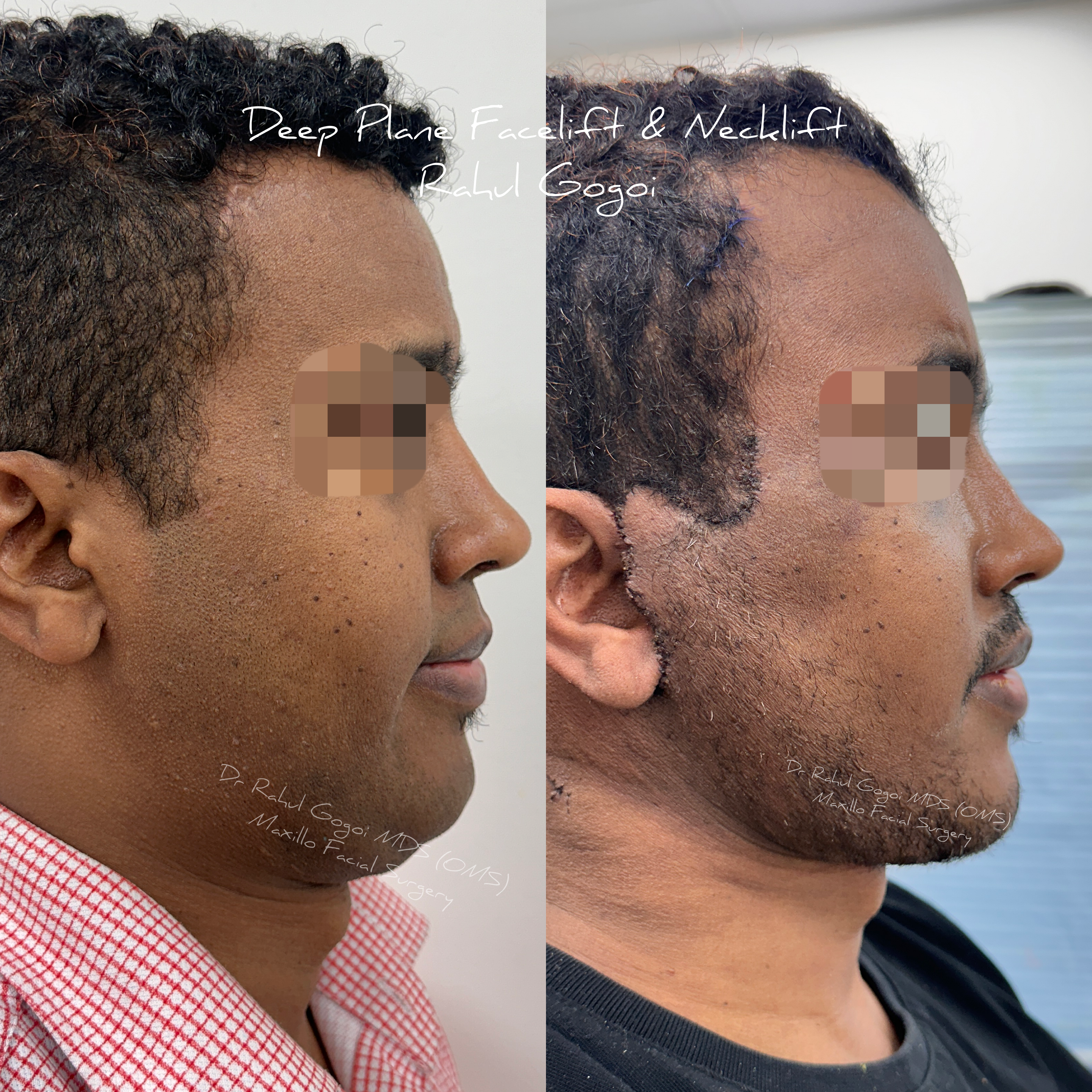
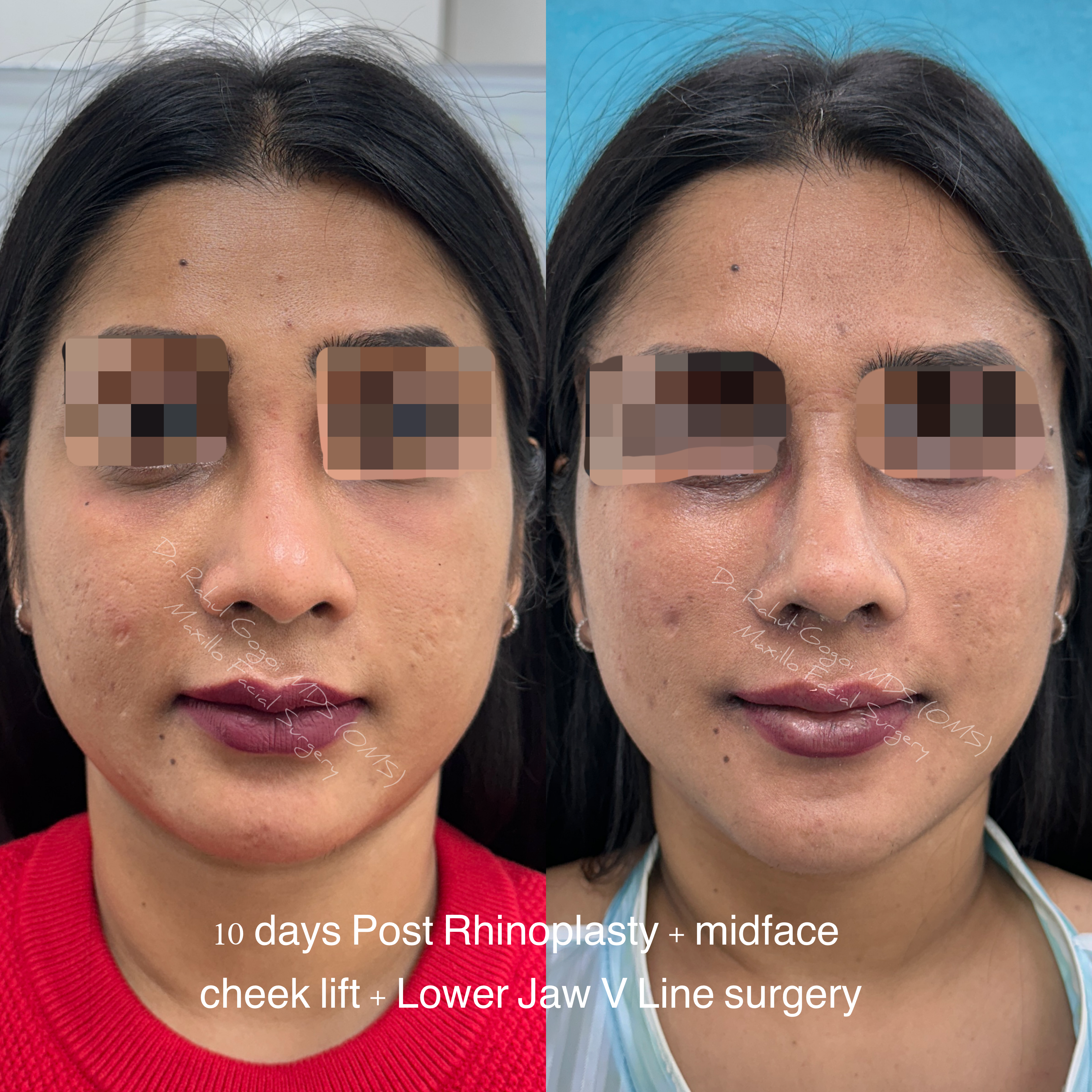
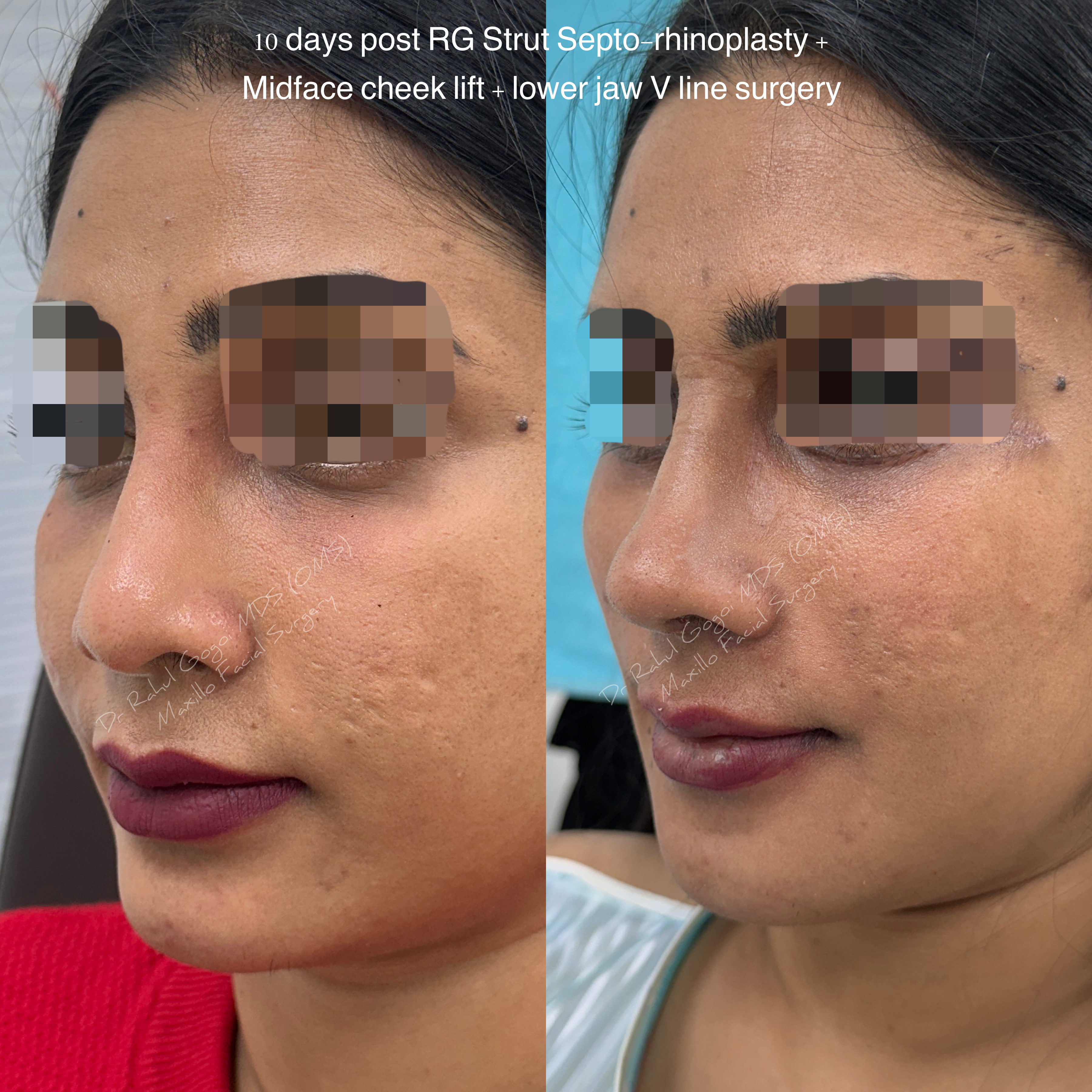
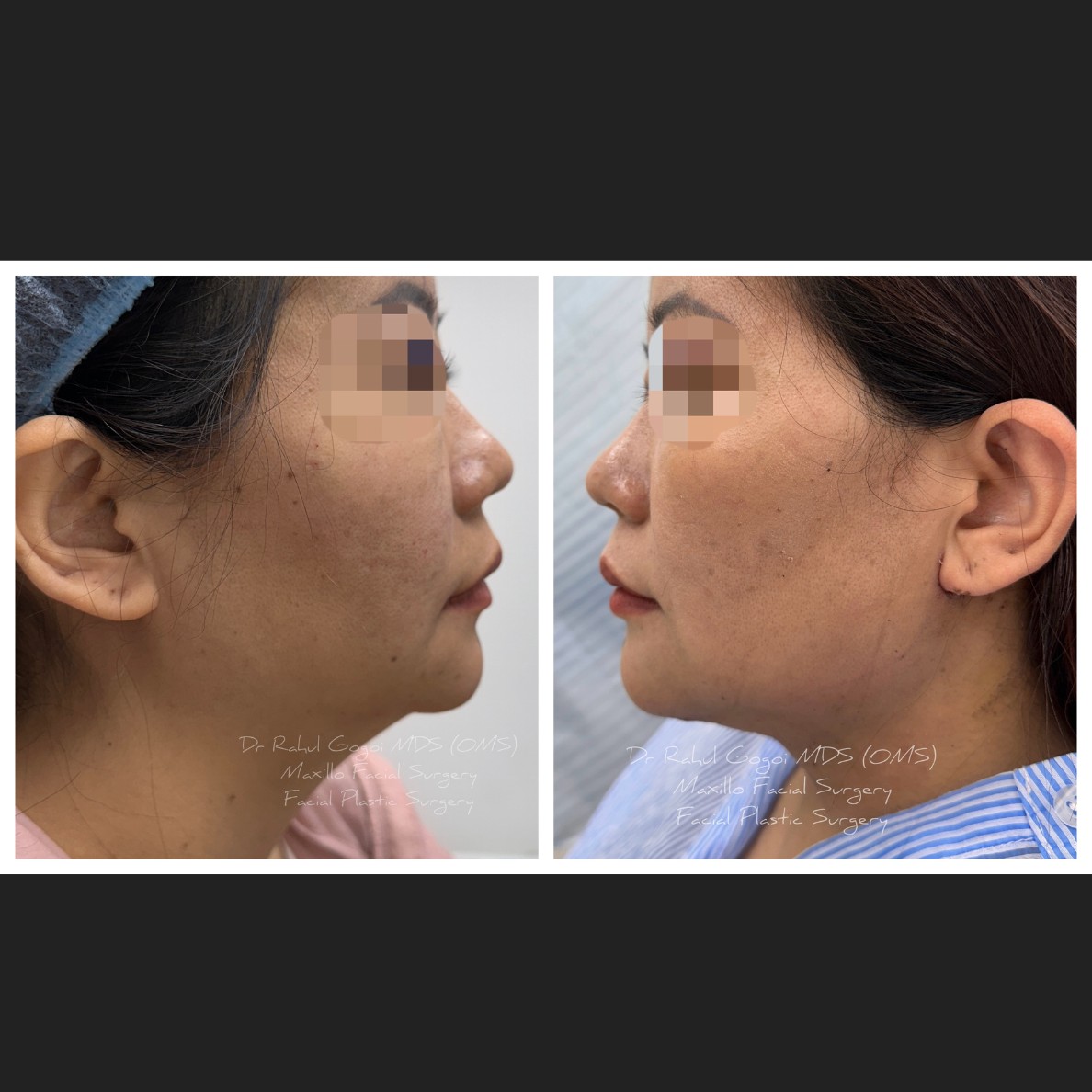
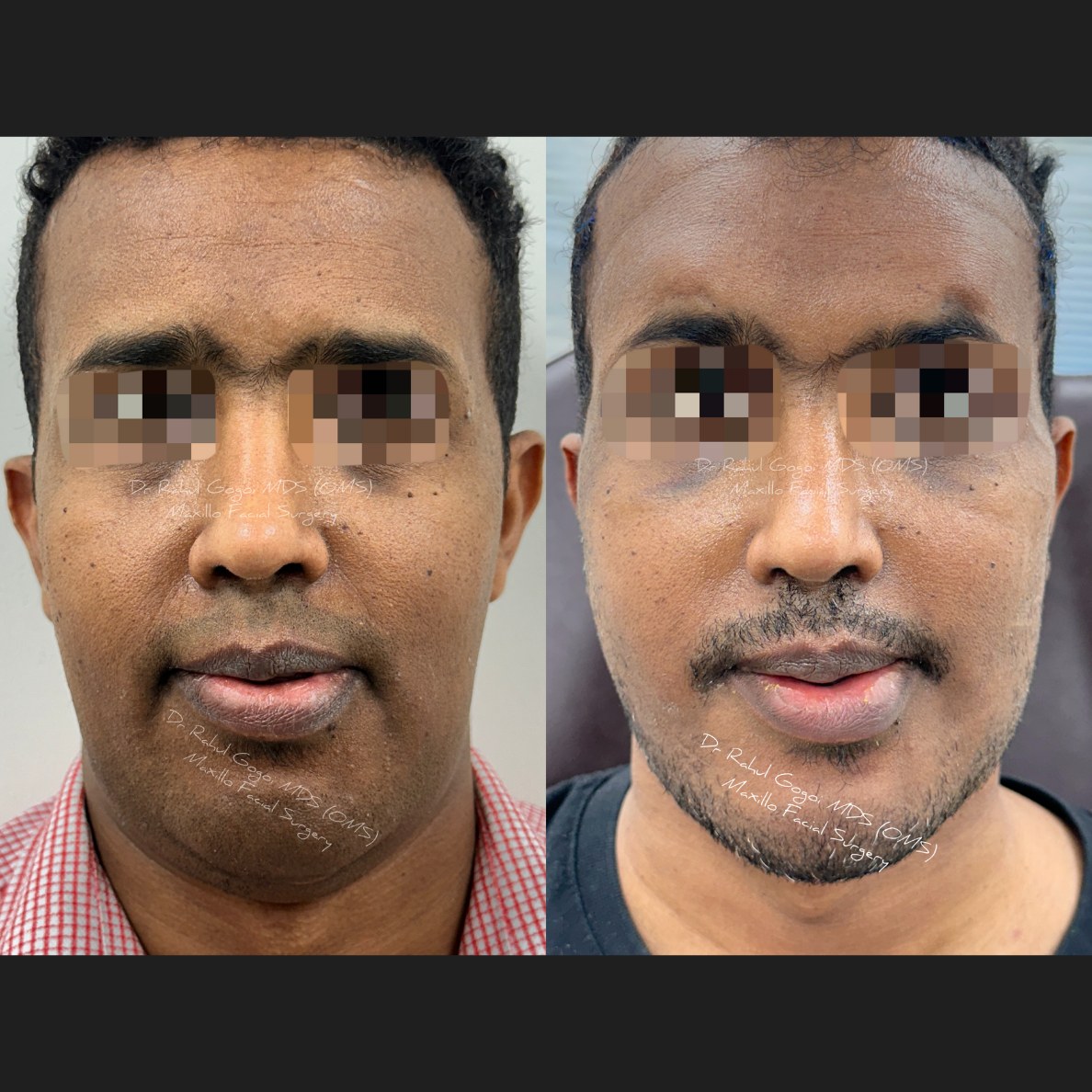
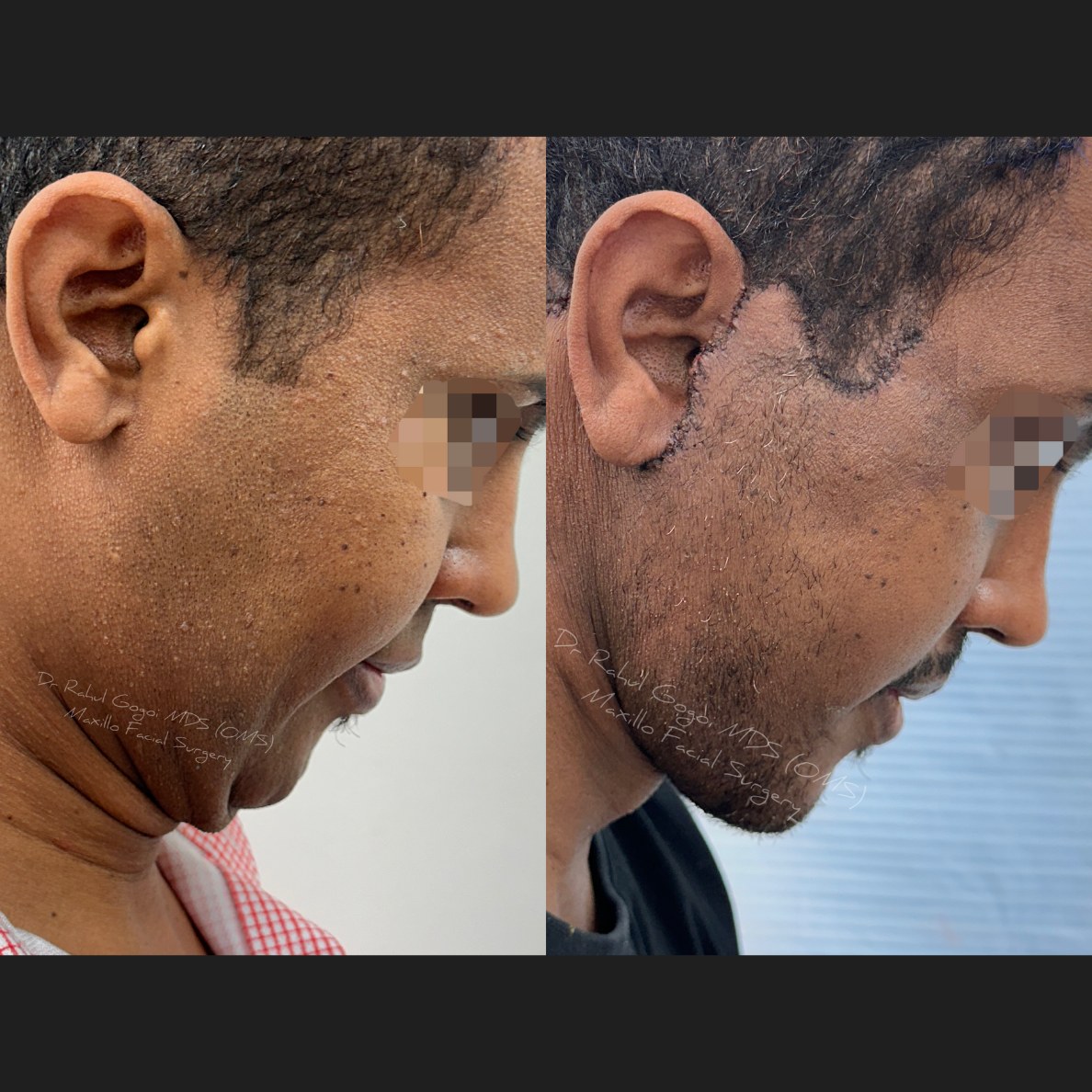
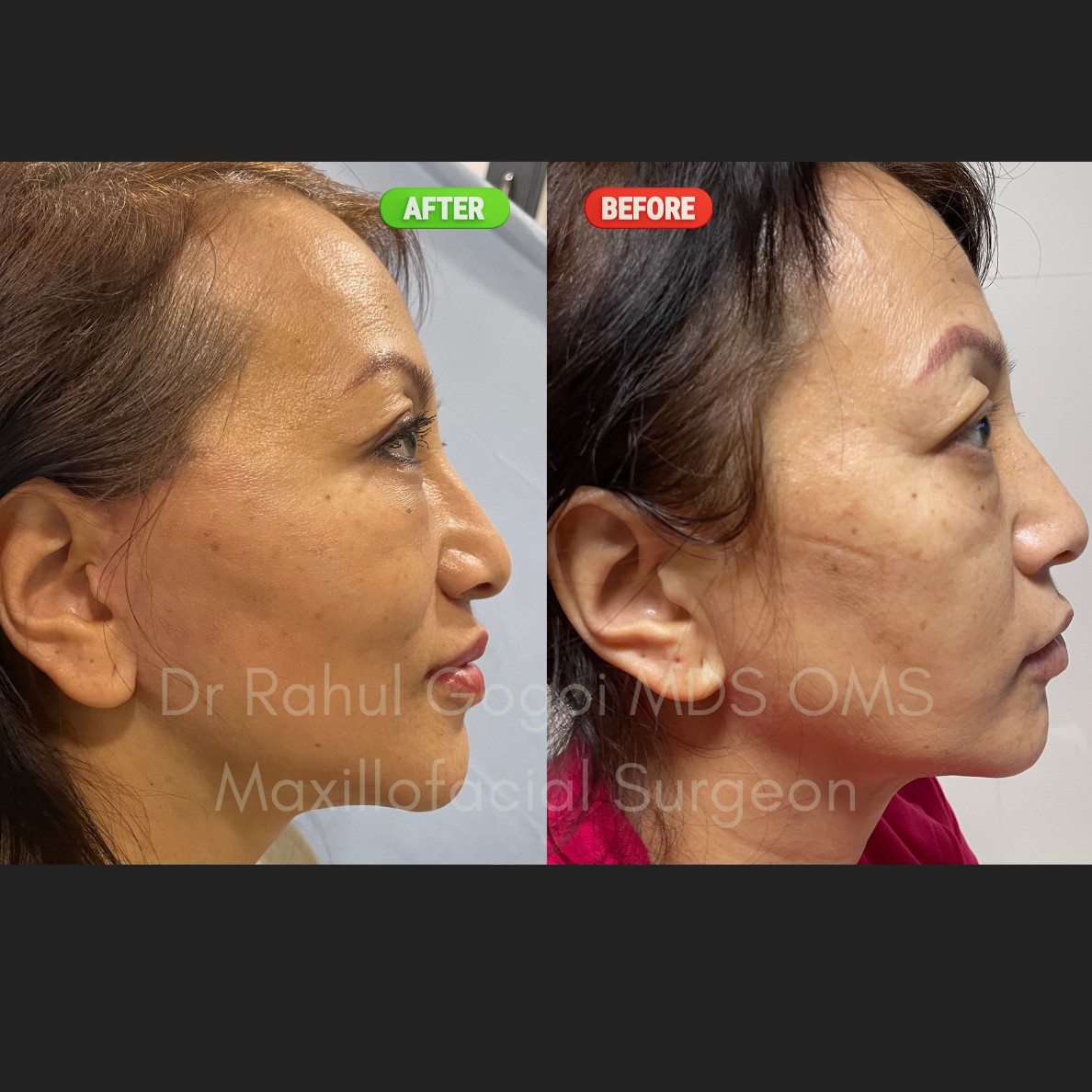
Facelift Recovery — A Week-by-Week Guide
Recovery from facelift surgery requires patience, but the investment in downtime yields dividends that non-surgical treatments simply cannot match. Here is a realistic guide to what to expect:
Days 1–3: Immediate Post-Operative Phase Mild to moderate swelling and bruising are normal and expected. There may be a sensation of tightness around the face and neck. Drains, if placed, are typically removed within 24–48 hours. Rest, head elevation, and cool compresses are the mainstays of this phase.
Days 4–7: Swelling Peaks and Begins to Resolve Bruising may deepen in color before beginning to fade. Sutures remain in place for one to two weeks depending on location. Most patients feel comfortable remaining at home during this phase. Pain is typically mild and managed with prescribed medication.
Weeks 2–3: Returning to Light Activity Sutures are removed. Much of the initial bruising has resolved. Swelling is subsiding, though some residual puffiness remains — particularly around the cheeks and under the chin. Most patients can return to desk-based work and light social activities, with camouflage makeup used if desired.
Weeks 4–6: Significant Improvement Visible The face looks substantially improved, with natural contours emerging. The residual tightness and numbness that many patients notice begins to ease. Sun exposure, strenuous exercise, and heavy lifting should still be avoided.
Months 3–6: Results Mature Final results continue to emerge as the deep tissues fully settle and scars mature. The face appears natural, rested, and refreshed. Scars continue to fade and soften throughout this period.
Long-Term: Aging Gracefully A well-performed facelift typically provides improvement that persists for seven to twelve or more years, depending on individual aging patterns, lifestyle, and skin quality. Patients do not return to their pre-surgical appearance — they simply continue to age from a more youthful baseline. Many patients find that non-surgical maintenance treatments (skin care, injectables, energy-based devices) in the years following surgery help preserve and extend their results.
Combining Facelift with Other Procedures
The face ages as a whole, and many patients achieve their most complete and harmonious rejuvenation through a thoughtfully planned combination of procedures:
Eyelid Surgery (Blepharoplasty) — Upper and lower eyelid surgery addresses hooding, puffiness, and under-eye bags that a facelift does not treat. Combining the two produces full-face rejuvenation. [Learn about Eyelid Surgery at RGIMS →]
Brow Lift — A descending brow that hoods the upper eyelids and produces a heavy, tired appearance is corrected through brow lift surgery, complementing the lower facial improvements of the facelift. [Learn about Brow Lift at RGIMS →]
Cheek Lift (Midface Surgery) — For patients with specific midface descent, a targeted cheek lift restores the upper cheek fullness that lower face surgery alone cannot address. [Learn about Cheek Lift at RGIMS →]
Fat Grafting — Structural fat grafting restores volume to the hollowed cheeks, temples, and tear troughs that accompany aging, complementing the lifting achieved by the facelift.
Skin Resurfacing — Laser or chemical peel skin resurfacing addresses texture, pigmentation, and fine lines on the skin surface, maximizing the overall quality of the skin to match the structural improvements of the facelift.
Neck Lift and Contouring — For many patients, a neck lift is performed simultaneously with the facelift for comprehensive lower face and neck rejuvenation.
Facelift Surgery Cost in India
Facelift surgery costs in India are not fixed. The final price depends on the surgical technique used (a mini facelift involves far less than a deep-plane procedure), the surgeon’s training and experience, the standard of the hospital and operation-theatre infrastructure, and the city where the surgery is performed. Metro hubs such as Delhi, Mumbai, and Bangalore typically carry higher price tags, driven largely by hospital overhead rather than surgical skill alone.
At the RG Institute of Maxillo Facial Surgery (RGIMS), Guwahati, facelift pricing is published transparently as a single, all-inclusive package.
Procedure | RGIMS Guwahati | Metro-City Comparison |
Full Facelift + Neck Lift (combined package) | ₹4,50,000 (all-inclusive) | Not published on the RGIMS page |
Why RGIMS pricing is competitive. The single most important factor behind RGIMS’s transparent, package-based pricing is location economics. Operating from Guwahati means significantly lower operational costs — theatre time, staffing, admission, and facility overhead — than an equivalent procedure at a corporate hospital in Delhi, Mumbai, or Bangalore, where real estate and institutional overhead inflate the final bill.
You’re paying for expertise, not overhead. The RGIMS package centres on the surgeon: your consultation, planning, and procedure are handled directly by Dr Rahul Gogoi, a Maxillofacial and Facial Aesthetic Surgeon. The cost reflects surgical skill and personalised care rather than the layered administrative overhead of a large metro hospital chain.
Transparent, with no compromise on care. The published ₹4,50,000 figure is a complete, stated package — not a “starting from” teaser that grows with hidden add-ons. It covers the surgery under general anaesthesia, a private-suite stay, medication and post-operative care, and follow-up support, so patients know the full cost upfront.
What’s Included in the ₹4,50,000 Price?
|
 Personal consultation with Dr Rahul Gogoi
International Patient Support at RGIMS
RGIMS welcomes patients from across India and internationally. For those traveling from other cities or countries, a comprehensive support framework is in place:
Online Initial Consultation — Preliminary assessment via video consultation with Dr. Gogoi before you travel, allowing surgical planning to begin well in advance of your visit.
Travel Planning Assistance — Guidance on travel logistics, including advice on accommodation near the clinic, local transport, and timing of your visit relative to your procedure and recovery.
Surgical Coordination — A dedicated patient coordinator manages every aspect of your surgical journey — from pre-operative tests and documentation to procedure scheduling and post-operative appointments.
Post-Operative Follow-Up — Structured remote follow-up via telemedicine for international patients who return home after the initial recovery period, ensuring continuity of care regardless of geography.
For more information about traveling to Guwahati for fa