
Rhinoplasty is a surgical procedure that improves the structure and appearance of the nose to enhance facial harmony and address functional concerns.
As the central feature of the face, the nose plays a major role in defining your overall look. Even subtle changes can bring out a more balanced and refined appearance. At RGIMS, we offer advanced rhinoplasty procedures in India, performed by experienced facial plastic and maxillofacial surgeons who combine medical expertise with an artistic eye.
Each treatment is carefully planned to match your facial features and personal goals. In expert hands, rhinoplasty creates natural-looking results that enhance your confidence while staying true to your identity.
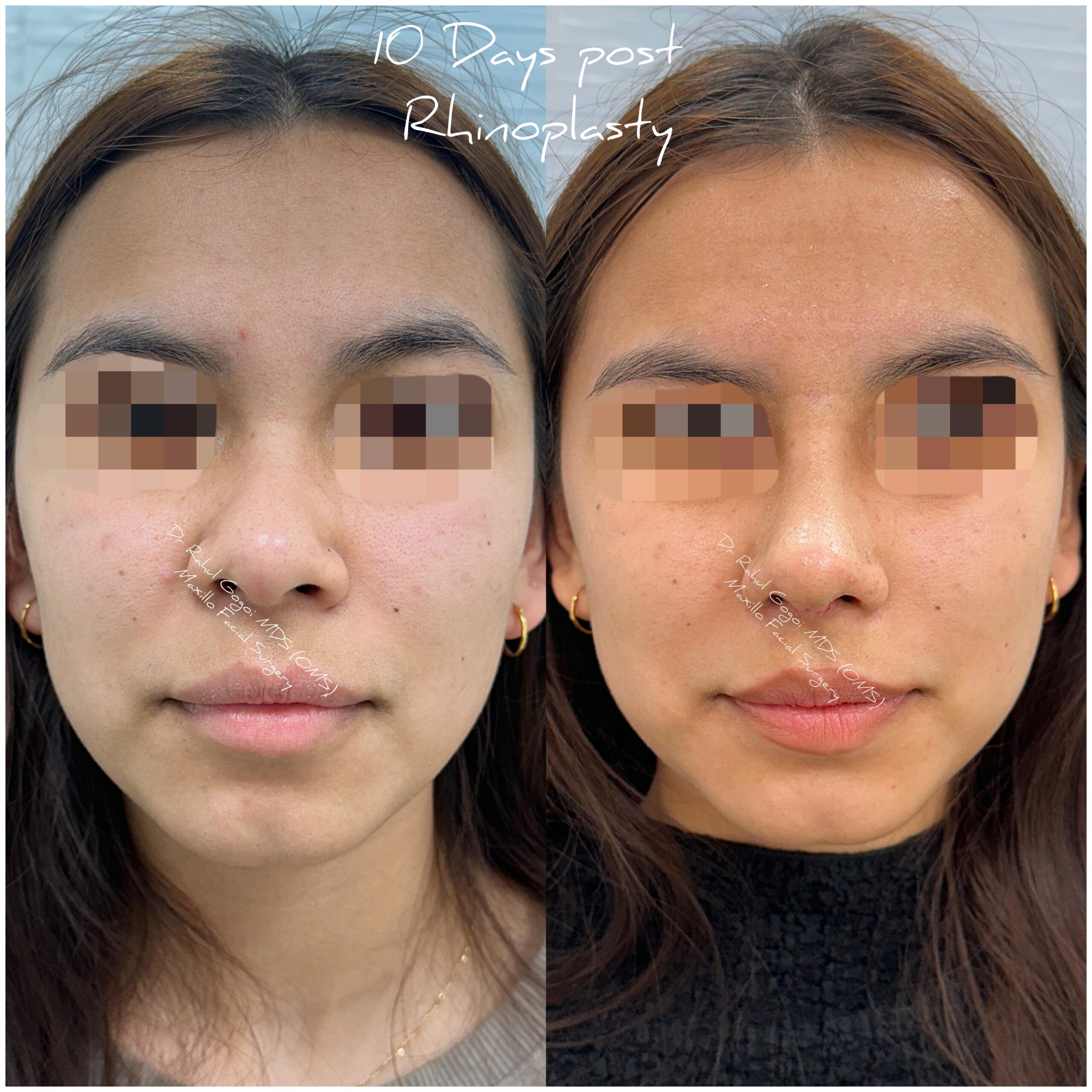
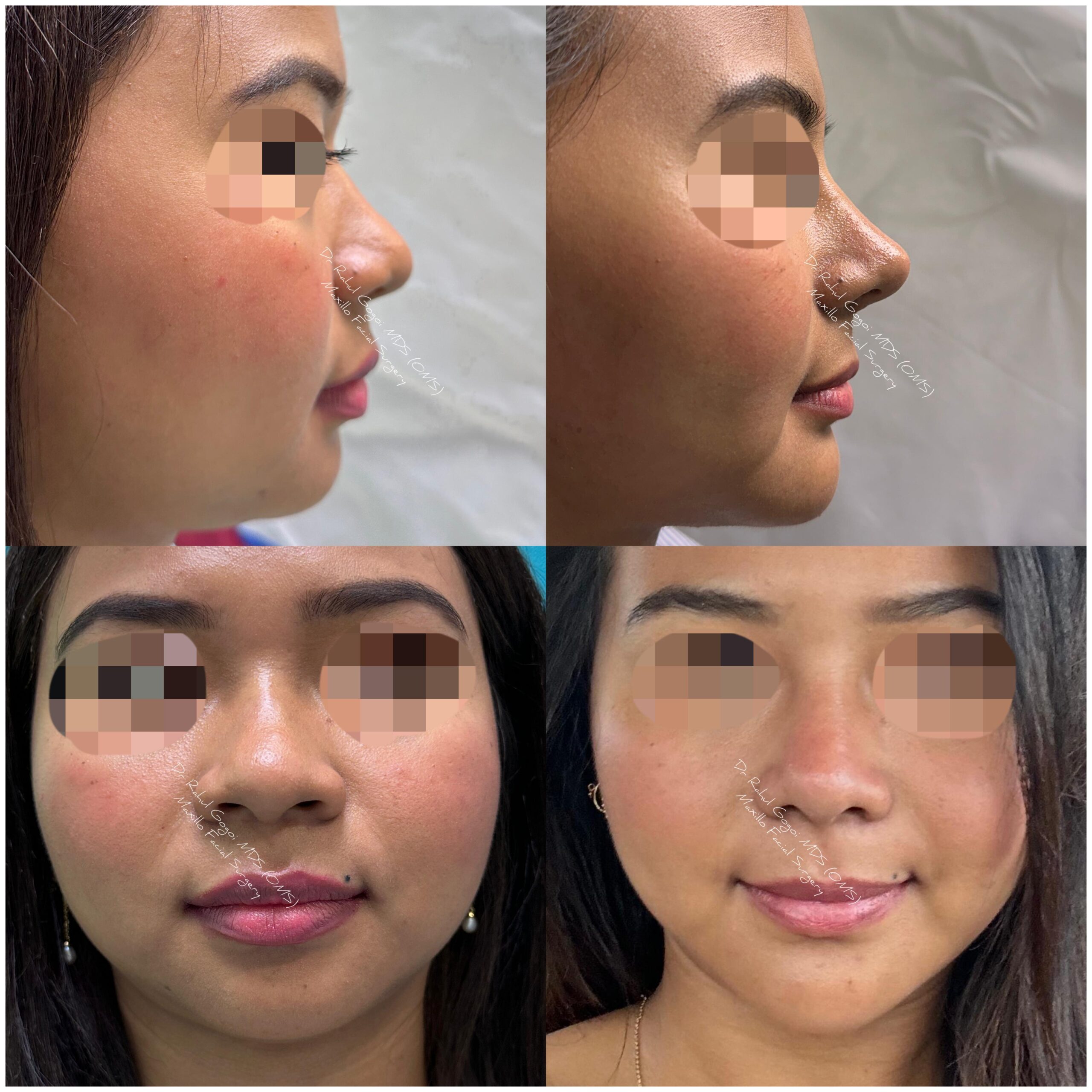
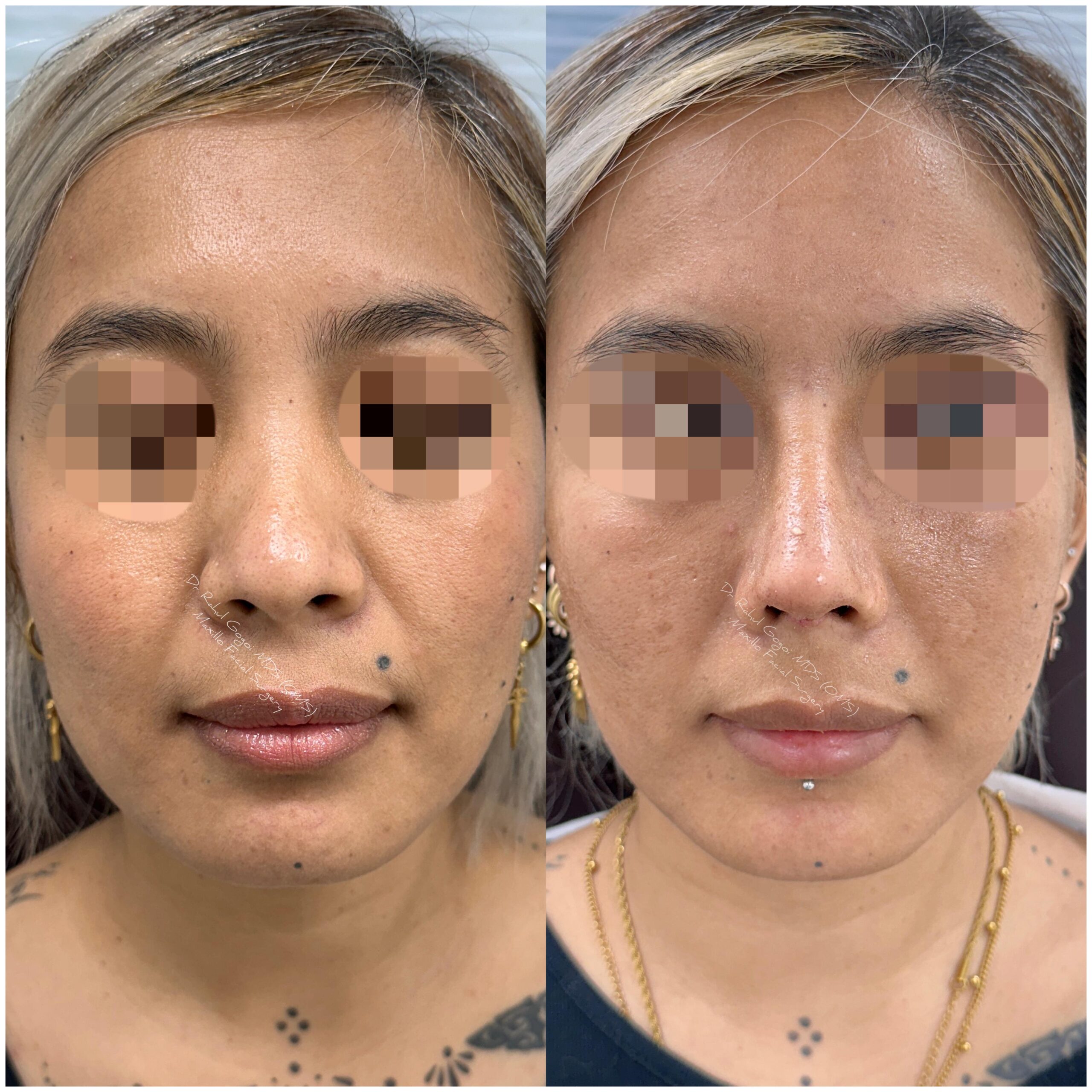
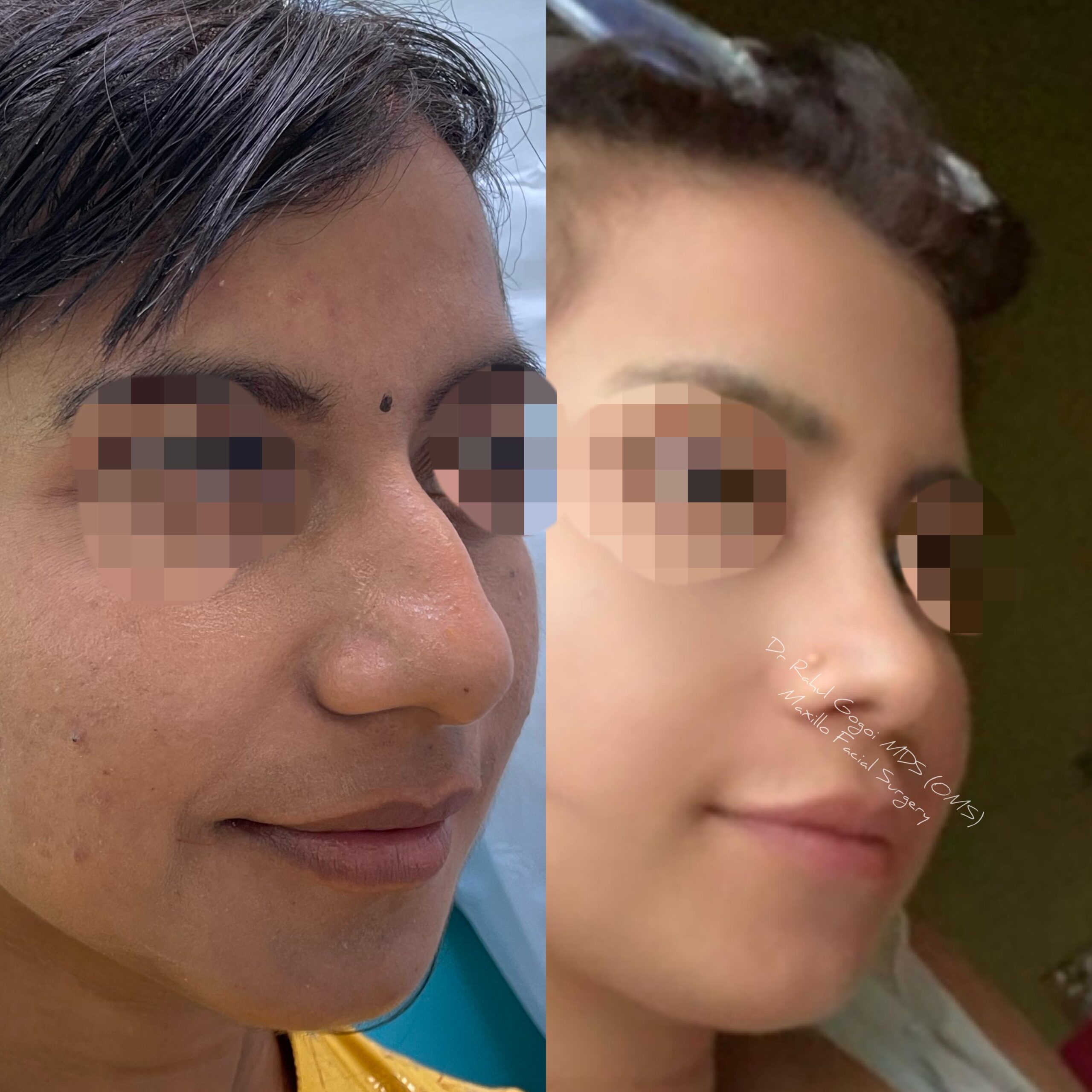
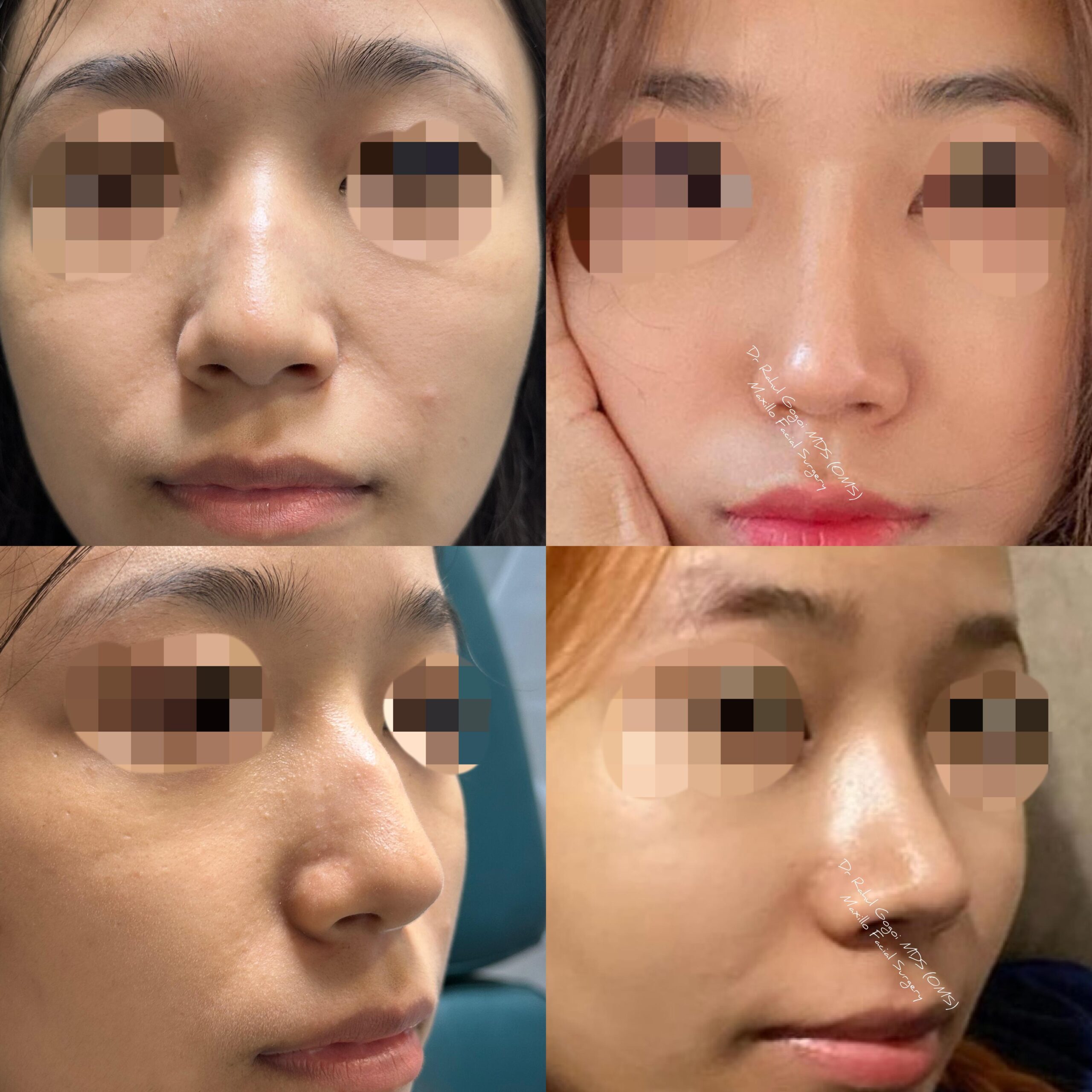
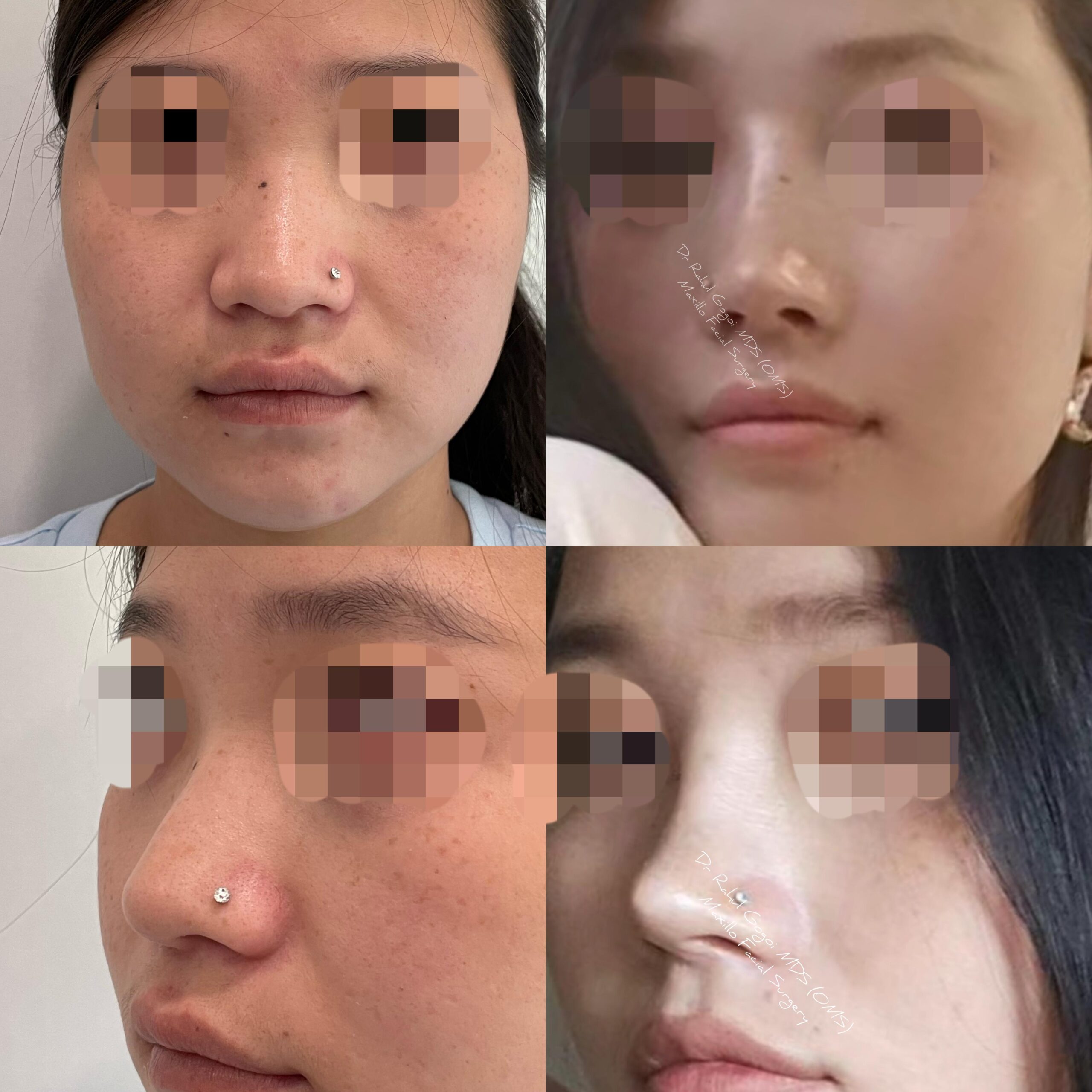
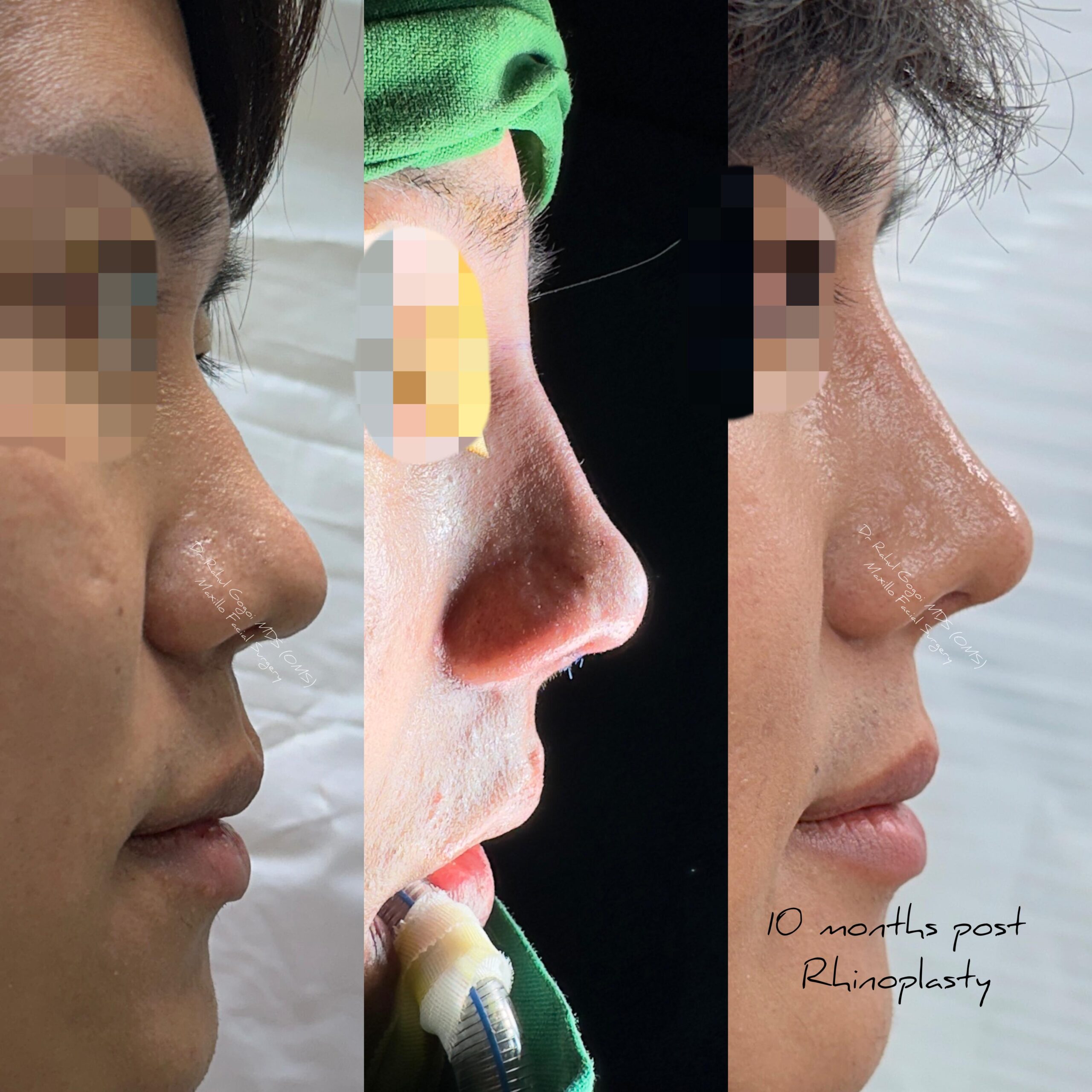
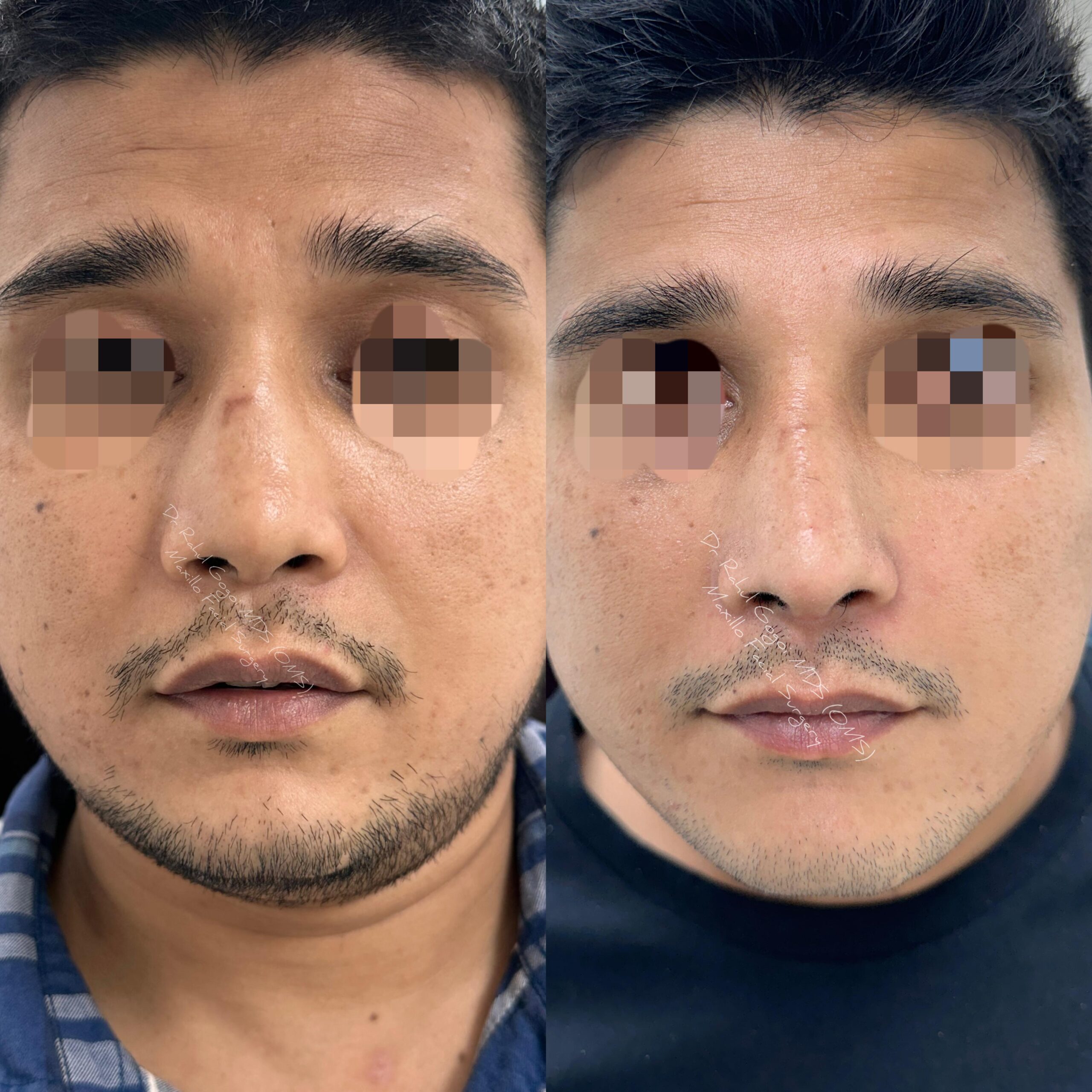
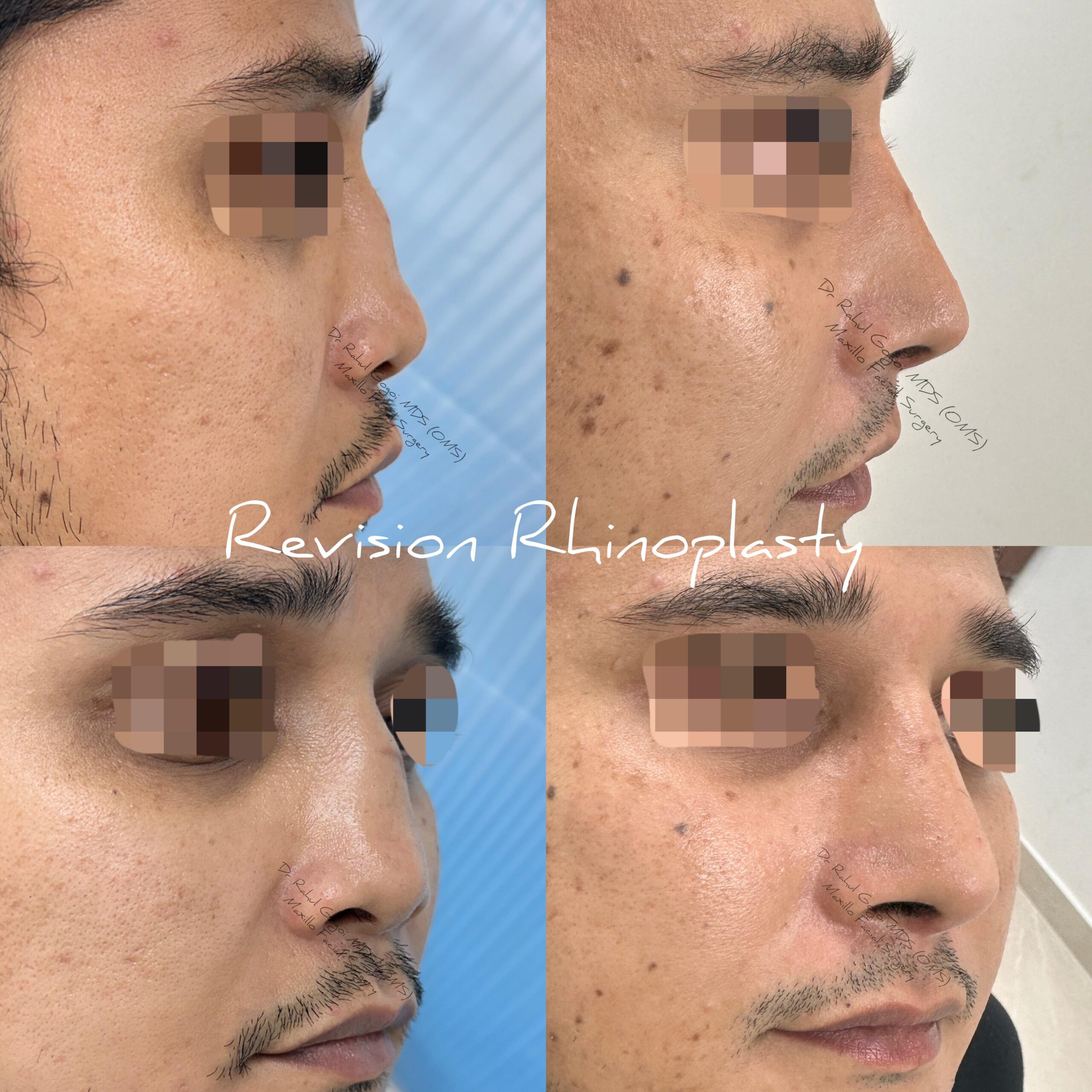
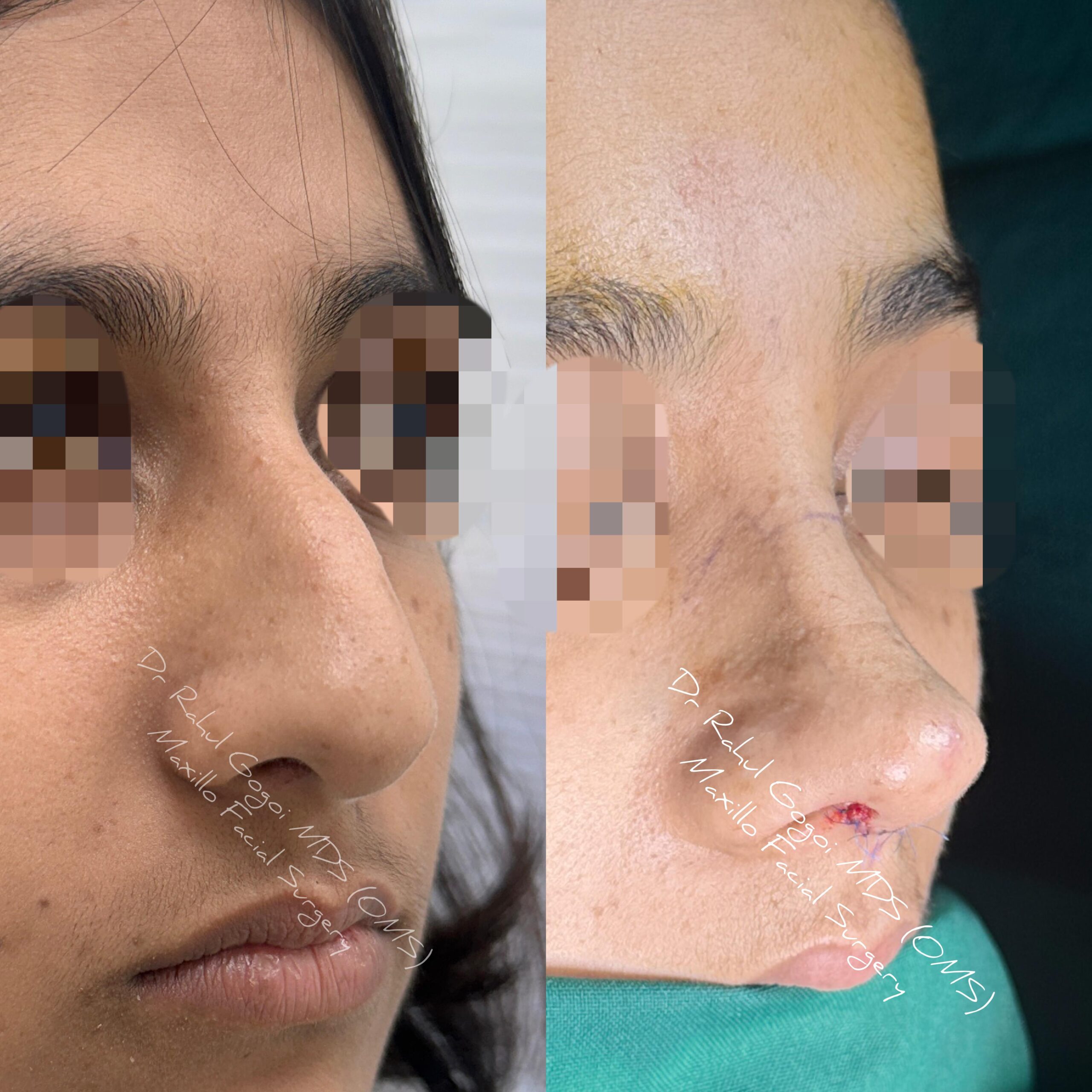
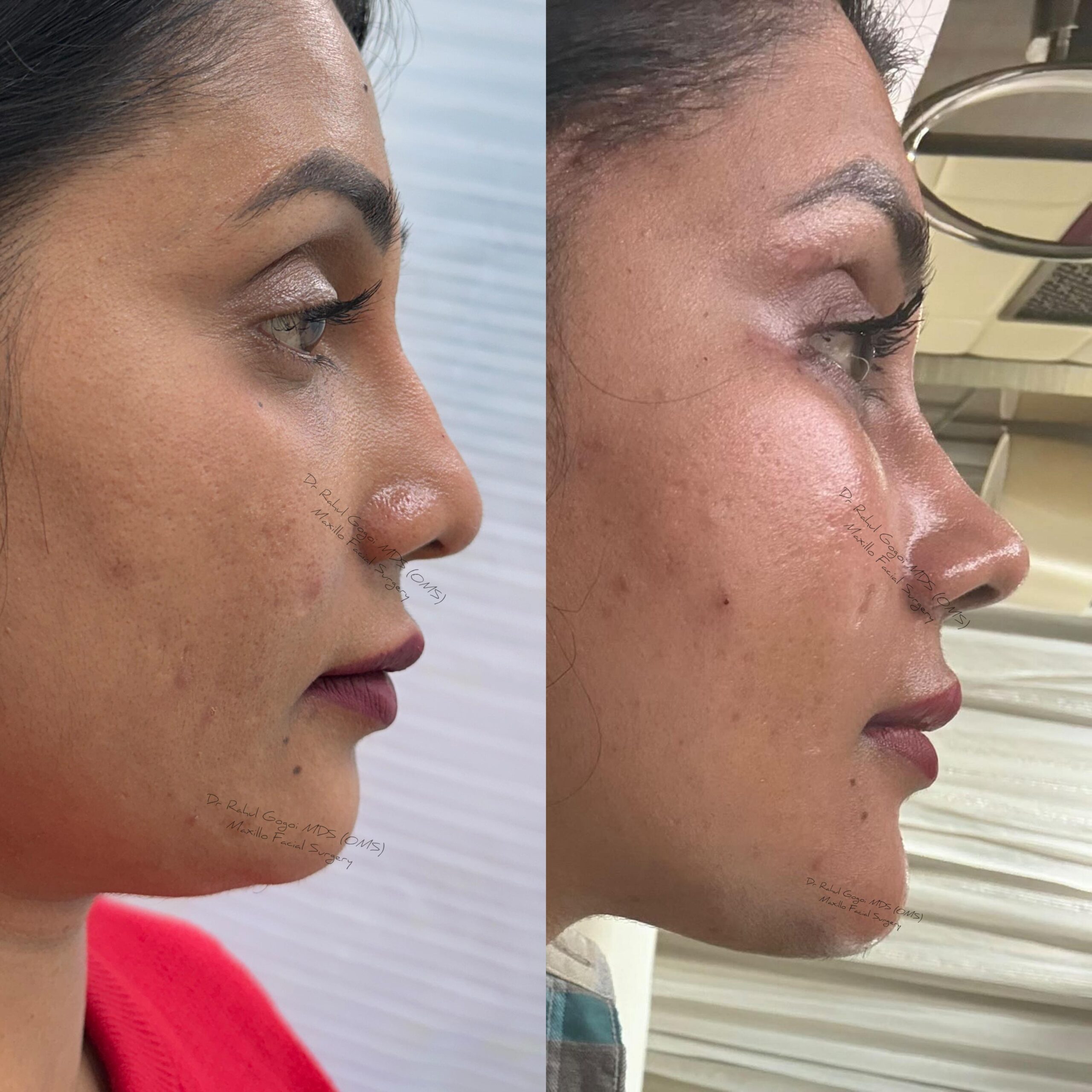
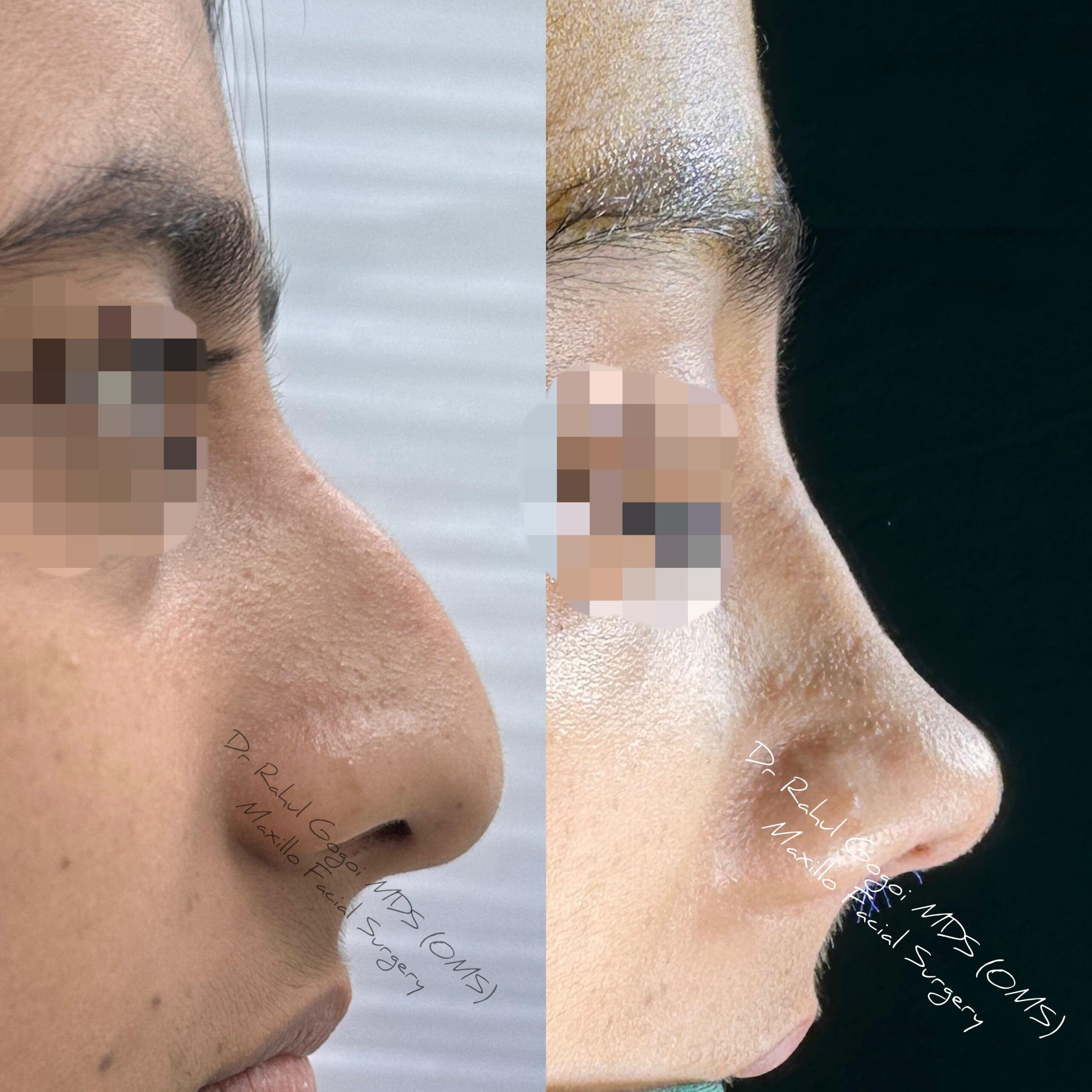
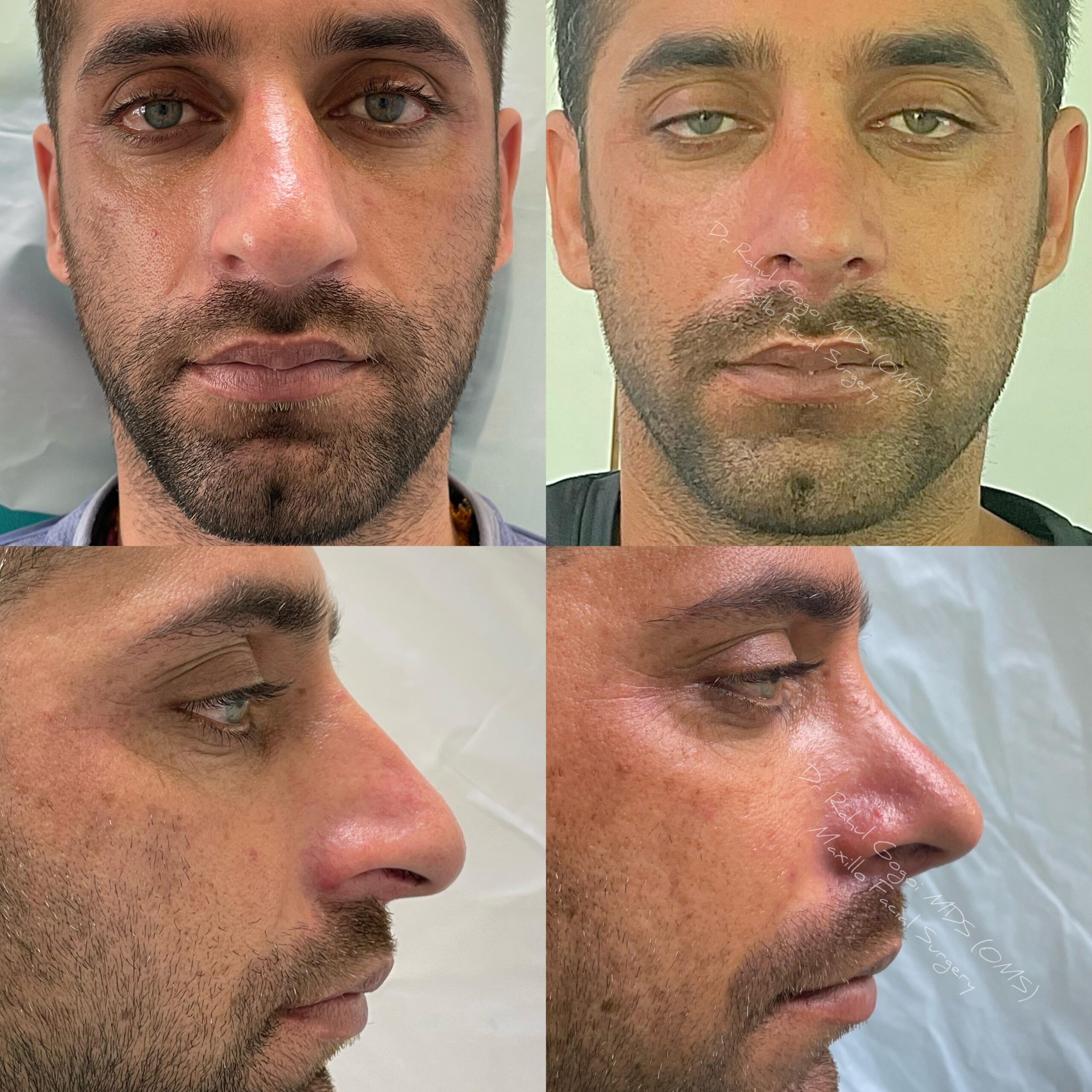
Rhinoplasty, commonly known as a nose job, is a cosmetic and functional procedure designed to enhance the appearance of the nose and improve facial balance. Since the nose is the central feature of the face, even minor changes can bring noticeable improvement to your overall look and confidence.
At RGIMS, we believe rhinoplasty is more than just aesthetic correction, it’s a journey toward feeling aligned with your natural features. Whether you’re looking to refine a broad nose, correct a bump, address asymmetry, or resolve breathing issues like a deviated septum, our approach is tailored to your unique needs.
Led by expert maxillofacial surgeon Dr Rahul Gogoi, our clinic is known for delivering some of the best rhinoplasty results in India. Every patient begins with a detailed one-on-one consultation where we discuss concerns, goals, and realistic expectations. You can even bring reference images to help shape the vision you have for your results. Based on your facial structure, Dr Rahul guides you through what is achievable and may also suggest complementary procedures like chin or eyelid surgery for enhanced facial harmony.
Throughout the process, from consultation to post-surgery recovery, you are supported by a compassionate and experienced team. With advanced techniques, thorough planning, and a strong focus on natural results, RGIMS is proud to be a trusted destination for rhinoplasty in India.
Whether you are seeking rhinoplasty for cosmetic reasons, to correct breathing difficulties, or to repair damage from injury or previous surgery, our approach focuses on delivering results that look harmonious and feel natural. During your consultation, we take the time to understand your concerns, study your facial proportions, and discuss the changes you envision. This detailed planning ensures that your results not only meet but exceed your expectations.
At RGIMS, patient comfort, safety, and satisfaction are at the heart of everything we do. We use advanced surgical techniques, modern technology, and precise craftsmanship to create results that are both functional and aesthetically pleasing. From initial assessment to post-surgery recovery, our team provides guidance, support, and aftercare to make your journey as smooth as possible.
By choosing RGIMS for rhinoplasty in India, you are choosing a blend of surgical excellence, personalized care, and artistic precision that brings out the best version of you while maintaining your unique individuality.
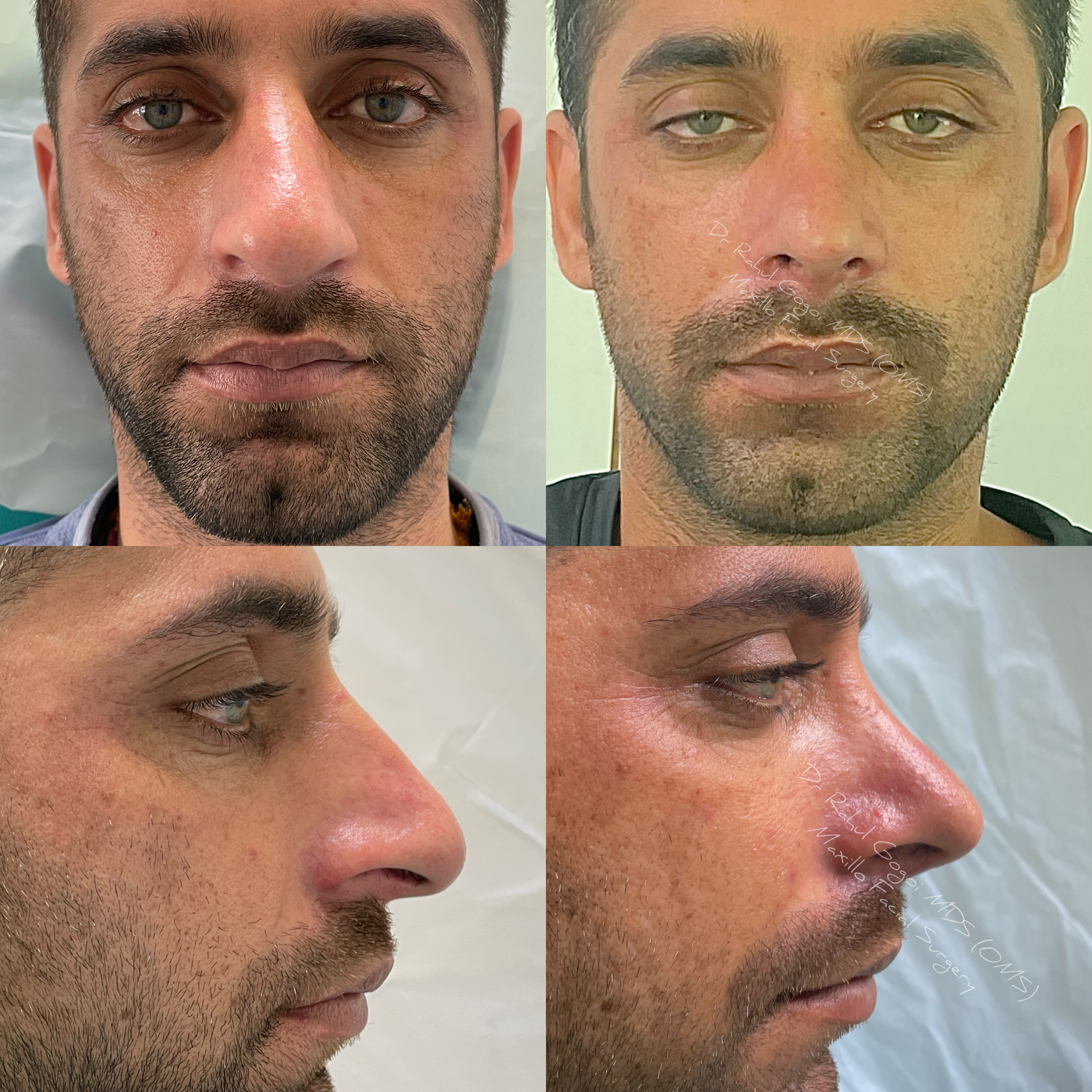

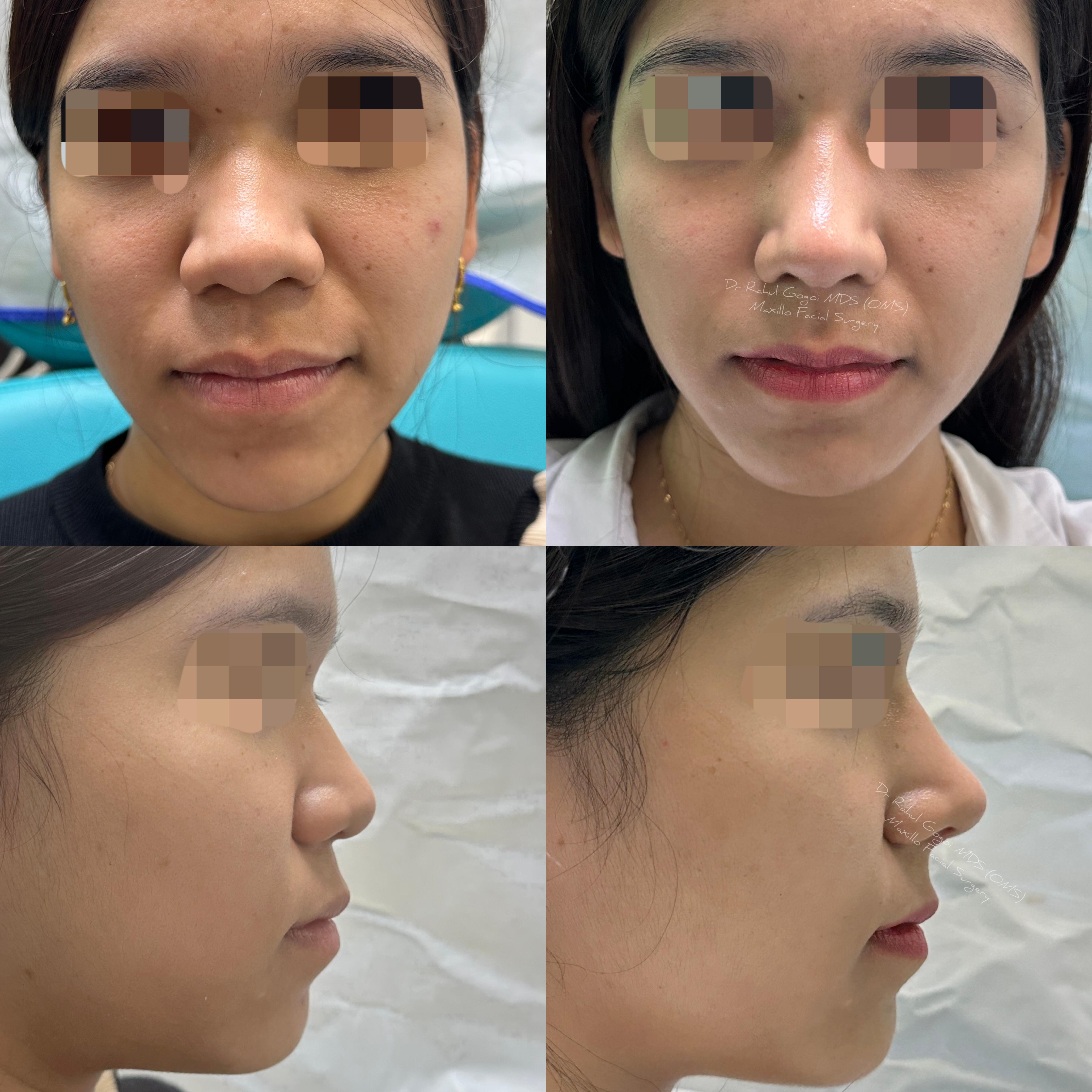

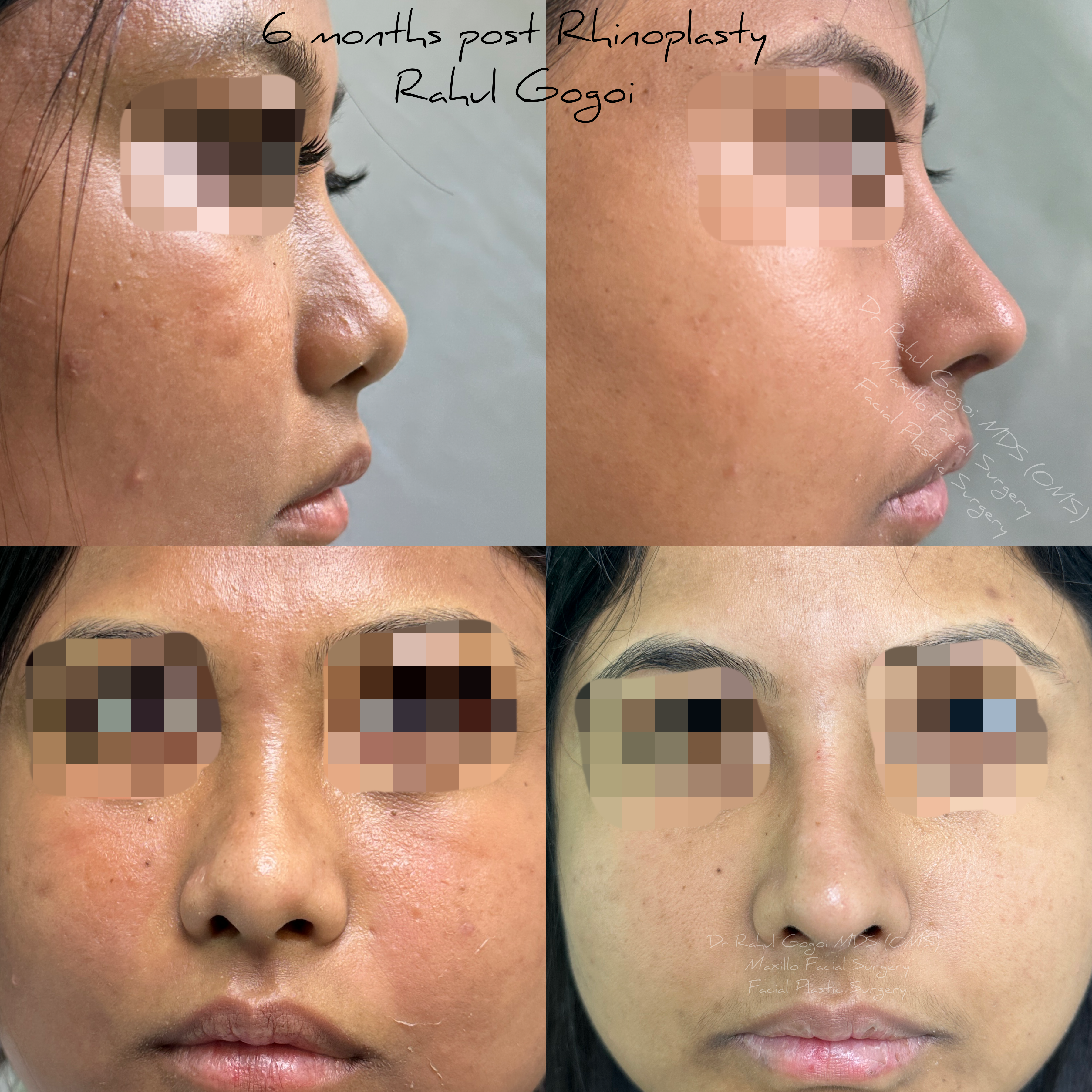
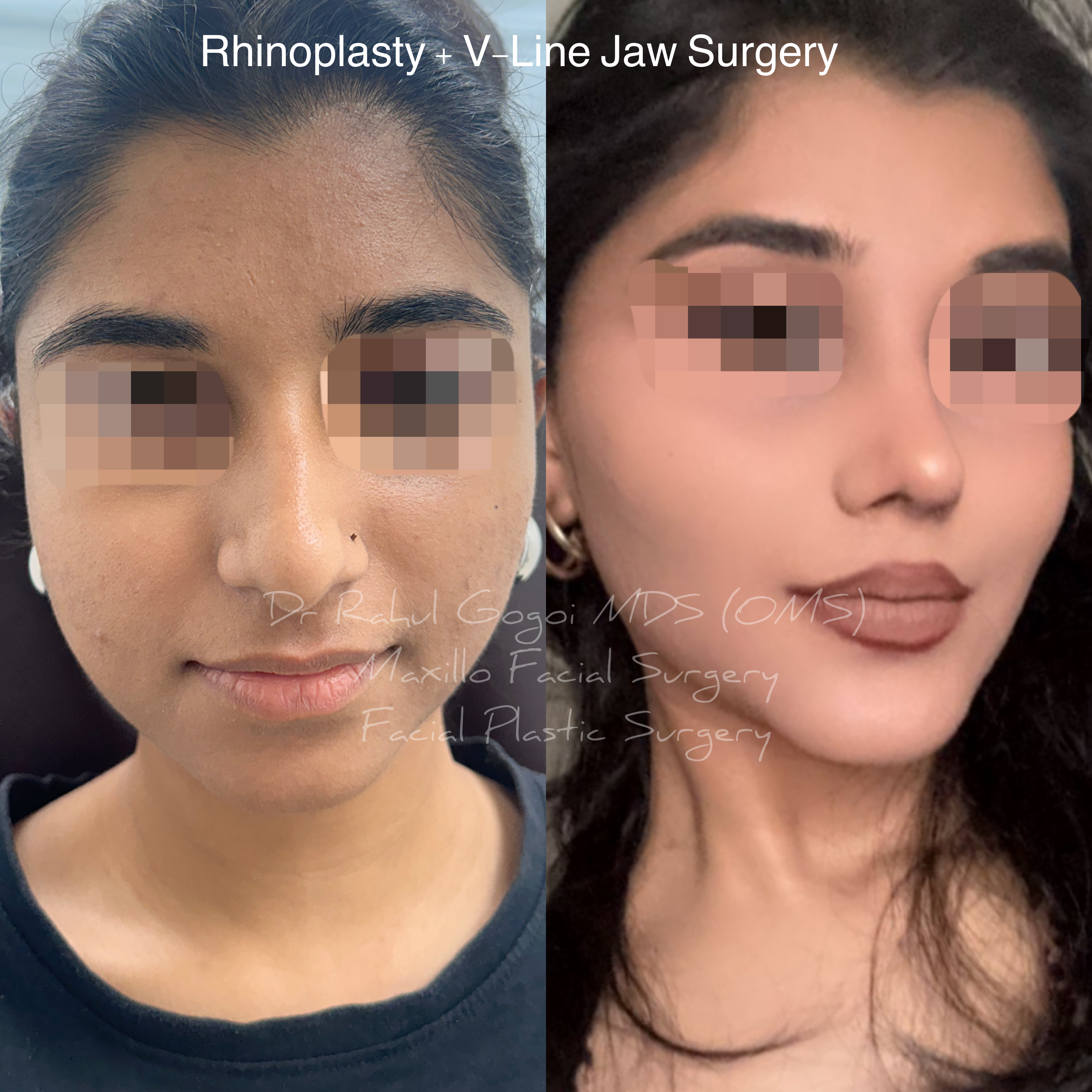
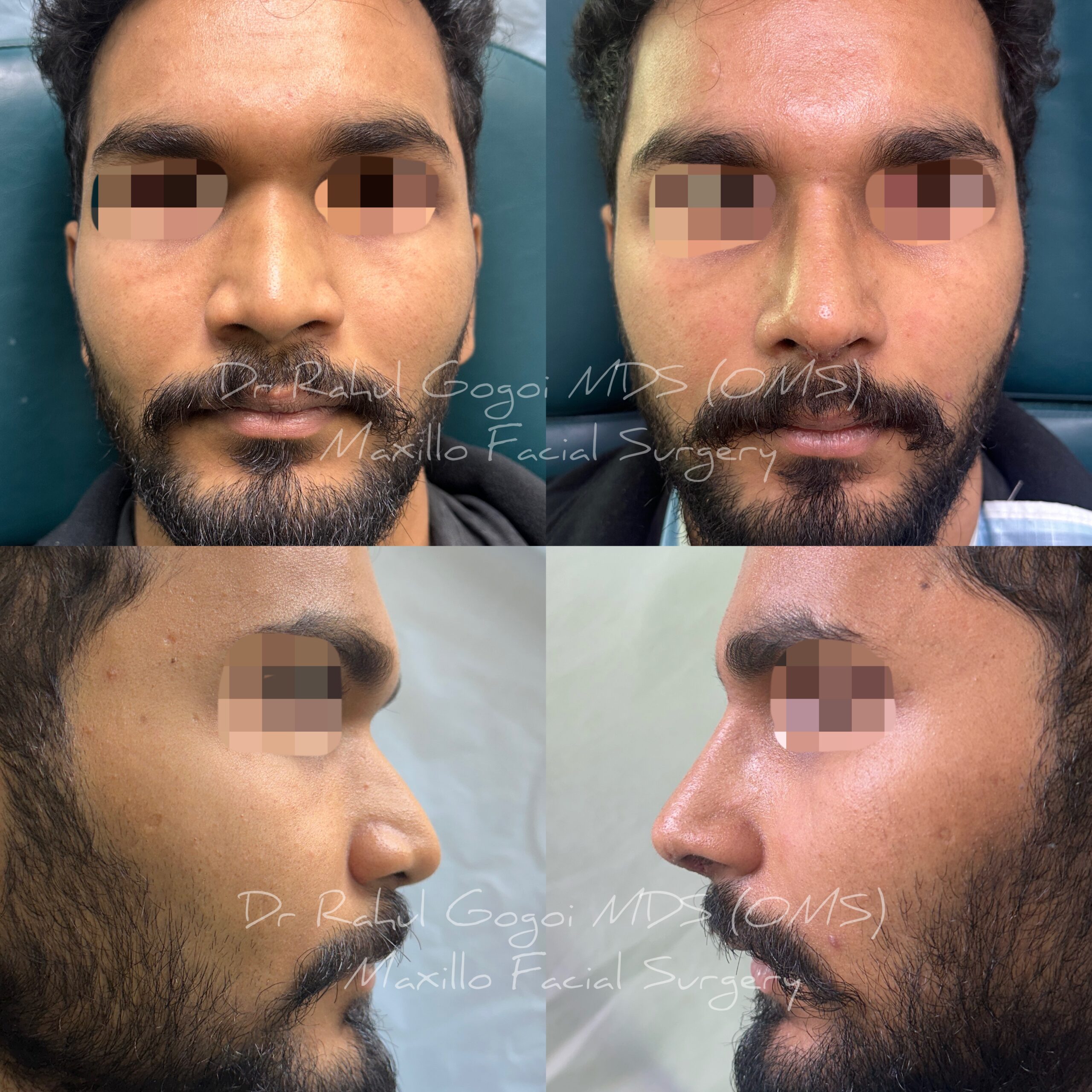
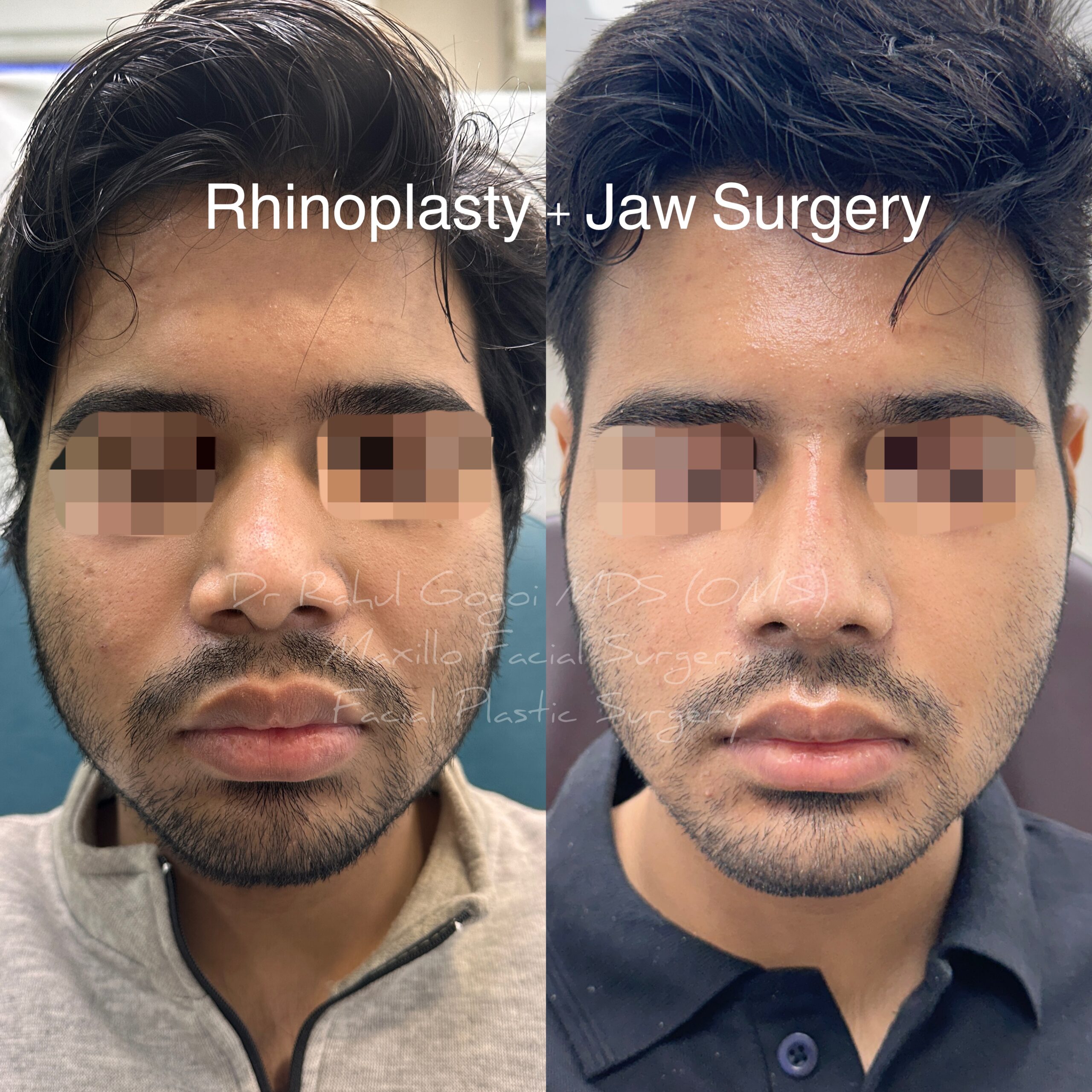
At RGIMS, Rhinoplasty procedures are performed under the supervision of Dr Rahul Gogoi, a skilled maxillofacial surgeon. With a strong focus on both function and facial harmony, Dr Gogoi and his team ensure each treatment is thoughtfully planned to suit your features and goals.
From the first consultation to the final follow-up, patients receive personalised care, advanced surgical techniques, and a clear understanding of what to expect. Dr Gogoi combines artistic precision with medical expertise, ensuring results that enhance your natural beauty while addressing breathing or structural concerns. The approach is patient-centric, prioritising safety, comfort, and long-lasting satisfaction.
This is for patients undergoing nose surgery for the first time. Whether you want to enhance your facial balance or improve breathing, primary rhinoplasty offers natural-looking results that complement your overall appearance.
At RGIMS, we understand that the first step towards a more refined nose is also a significant personal decision. Primary rhinoplasty is not just about reshaping the nose, it is about creating harmony with the rest of your facial features while preserving your natural uniqueness. For many patients, this procedure is life-changing, not only in terms of appearance but also in restoring confidence and improving day-to-day comfort.
During your consultation, our team takes time to listen to your concerns, understand your vision, and assess the structure of your nose in relation to your entire face. We look at aspects like nasal width, bridge height, tip projection, and even the angle between the nose and the upper lip. By combining medical precision with artistic sensibility, we aim to create results that look completely natural and suit you, not just any beauty standard.
Primary rhinoplasty can address a variety of cosmetic and functional issues, including:
One of the most important aspects of primary rhinoplasty is that it works with your existing anatomy. Since it is your first surgery, the tissue, cartilage, and skin are untouched, which gives the surgeon more flexibility and typically allows for more predictable results compared to revision rhinoplasty.
Our surgeons at RGIMS use advanced techniques such as open or closed rhinoplasty approaches, depending on the complexity of the case. The open technique allows for better visibility and precision when making intricate adjustments, while the closed technique offers minimal scarring and faster recovery.
Recovery time varies from person to person, but most patients can return to normal daily activities within one to two weeks. Swelling and minor bruising are normal and gradually subside over the next few months, revealing your final result. Our team supports you throughout this process, from the day of your surgery to the last follow-up appointment, ensuring that healing is smooth and that your expectations are met.
What truly sets primary rhinoplasty apart is the emotional transformation it can bring. Many patients describe feeling more confident in photographs, enjoying social situations more, and even experiencing improved self-esteem at work or in relationships. Since the nose is central to the face, even subtle refinements can have a big impact on how balanced and proportionate your entire face looks.
At RGIMS, our mission is not just to perform surgery but to enhance your natural beauty in a way that feels authentic to you. With careful planning, skilled execution, and a personalised approach, your first rhinoplasty can be the step that changes how you see yourself, both inside and out.
Asian rhinoplasty is a specialized approach to nose reshaping tailored to enhance the natural beauty and unique features of Asian patients. Unlike Western rhinoplasty, which often focuses on reducing size, Rhinoplasty in India usually emphasizes creating subtle yet refined changes, such as enhancing nasal bridge height or reshaping the tip for added definition. Surgeons use advanced techniques and may incorporate cartilage grafts to ensure a balanced profile and harmonious look that complements other facial features. This procedure requires a keen understanding of cultural aesthetics, helping patients achieve natural-looking results while preserving their individual identity.
Nose hump rhinoplasty, also known as dorsal hump reduction, addresses the prominent bump along the nasal bridge, enhancing facial balance and profile. This procedure involves reshaping the nasal bone and cartilage to smooth the dorsal line, creating a more refined and proportional look. It requires precision to maintain the natural flow from the bridge to the tip, avoiding an overly straightened or artificial appearance. Ideal for patients with a dorsal hump that disrupts facial harmony, nose hump rhinoplasty can dramatically enhance confidence, creating a smooth and attractive nasal contour that aligns with the patient’s unique facial structure.
If you have had a previous nose surgery and are not satisfied with the outcome, revision rhinoplasty may be right for you. This procedure helps correct cosmetic or structural issues from earlier surgeries. With Dr Gogoi’s experience, patients feel reassured and supported throughout their journey.
Revision rhinoplasty is more complex than a first-time nose surgery because it requires working with tissues that have already been altered and scarred. This means it takes extra precision, planning, and artistry to ensure a natural and balanced outcome. In some cases, cartilage from the ear or rib may be used to rebuild and strengthen nasal structures that were weakened or removed in the previous surgery. Dr. Gogoi takes time to thoroughly assess each patient’s unique situation, listening carefully to their concerns and goals before designing a personalized treatment plan.
For many patients, the motivation for revision rhinoplasty goes beyond aesthetics. Some may have developed breathing difficulties after their first procedure, which can be addressed through functional improvements during the revision. Others may simply want subtle refinements that bring their nose into better harmony with their facial features. Dr. Gogoi’s approach combines both cosmetic and functional corrections, ensuring that the nose not only looks better but also works better.
The journey starts with a detailed consultation, where advanced imaging may be used to visualize potential results. Dr. Gogoi discusses realistic expectations openly so that patients fully understand what can and cannot be achieved. This transparent and caring approach helps build trust, which is especially important for patients who may already feel disheartened after a disappointing first surgery.
Recovery from revision rhinoplasty can vary depending on the extent of the corrections needed. While swelling may take longer to fully subside compared to primary rhinoplasty, patients often find the wait worthwhile once they see the improved results. Following the post-operative care instructions closely and attending regular follow-ups with Dr. Gogoi ensures the best possible healing and outcome.
Choosing revision rhinoplasty is a deeply personal decision, often driven by the desire to feel more confident and comfortable in one’s own skin. Dr. Gogoi’s blend of technical expertise, artistic vision, and compassionate care provides patients with the reassurance that their concerns are heard, understood, and addressed with the highest level of skill. Many patients find that undergoing revision rhinoplasty with the right surgeon not only restores their nasal appearance but also renews their self-esteem and overall sense of well-being.
If you’ve been living with dissatisfaction or discomfort after a previous nose surgery, revision rhinoplasty can offer a fresh start. With careful planning, advanced techniques, and a surgeon who truly listens, it is possible to achieve results that feel right for you—both in function and appearance.
Rhinoplasty is more than just a cosmetic procedure. It’s a step toward feeling more confident and comfortable in your own skin. At RGIMS in Guwahati, every nose surgery is handled with care, precision, and a personal touch under the expert guidance of Dr Rahul Gogoi, a trusted name in facial plastic and maxillofacial surgery.
Primary rhinoplasty at RGIMS is priced at INR 2,65,000 (around USD 2874). This package includes:
Few clinics in India offer this level of surgical safety, and our use of an ABG machine ensures that patients are closely monitored during the procedure.
In comparison, rhinoplasty in bigger cities like Delhi or Mumbai typically ranges between INR 2,00,000 and 5,00,000. At RGIMS, you get the benefit of experienced hands, detailed care, and transparent pricing in the range of INR 2,50,000 to 3,00,000, depending on your specific needs.
Patients travelling from outside Guwahati are also looked after with airport pick-up and drop-off services, along with home-cooked meals during recovery. Every detail is designed to make your healing journey comfortable and stress-free.
Revision rhinoplasty is often needed when a previous surgery did not meet expectations or was improperly performed. The cost at RGIMS depends on the condition of the nasal structure:
In cities like Delhi and Mumbai, the cost of revision rhinoplasty can range between INR 3,00,000 and 5,00,000, but at RGIMS, patients receive world-class care at competitive pricing, with a strong focus on surgical precision and personalised attention.
Dr Rahul Gogoi believes in doing rhinoplasty the right way, not the fastest way. That’s one reason why the revision rate at RGIMS is less than 2 percent, far below the global average of over 25 percent. His deep understanding of facial structure and refined techniques lead to results that look natural and feel right.
During recovery, patients stay in clean and comfortable rooms. The 3-day stay is included in the primary rhinoplasty package. If additional nights are needed, the cost is INR 3,500 per day. Meals are prepared fresh in our on-site kitchen, offering nourishing food made just like home.
From the moment a patient walks into RGIMS, they notice the difference. Every step of the process is designed to make them feel at ease, from the friendly reception team to the attentive nursing staff. Pre-surgery consultations are thorough, ensuring each patient understands the plan and feels confident moving forward. Post-surgery follow-ups are equally detailed, with Dr Gogoi personally reviewing progress to make sure healing is on track.
The hospital environment is warm, quiet, and private, allowing patients to recover in peace without unnecessary stress. Family members are welcome to stay close, making the experience more comfortable and reassuring. Combined with Dr Gogoi’s expertise, these small but important touches make RGIMS one of the most trusted names in rhinoplasty.
Rhinoplasty can be life-changing for the right individual. You may be a good candidate if:
If this sounds like you, rhinoplasty might be a great step toward feeling more confident and comfortable in your appearance.
Yes. Our rhinoplasty procedures are performed by highly experienced max fax surgeons, including Dr. Rahul Gogoi, and are fully tailored to your facial structure and aesthetic goals. We prioritize natural-looking results and complete safety from consultation to recovery.
In comparison to other regions of India, such as Mumbai, Delhi, Bangalore, Hyderabad, Ahmedabad, Chennai, Kolkata, Surat, Pune, and Jaipur, nose reshaping or rhinoplasty in Guwahati costs between 2.5L and 3L, which is highly competitive.
Safety is our utmost priority. Our experienced surgical team utilizes advanced, state-of-the-art techniques and maintains the highest standards of hygiene and safety. We conduct thorough pre-operative assessments and monitor patients closely during and after procedures to ensure the safest, most comfortable experience possible. For those opting for rhinoplasty in India, we ensure that the procedure is performed with the highest level of expertise, delivering exceptional results while prioritizing patient safety and comfort throughout the process.
All of the surgical incisions for a closed rhinoplasty are done within the nose, making them invisible after the procedure. Open rhinoplasty, in which the surgeon makes an incision at the nose’s base, is necessary in some circumstances. Rhinoplasty in India offers both techniques, with skilled surgeons utilizing advanced methods to ensure minimal scarring and optimal results.
Everyone heals at their own pace, but most people feel ready to get back to regular life within 10 to 14 days. Swelling takes a little longer to go down completely—sometimes a few months but the changes start becoming noticeable much sooner. At RGIMS, we stay in touch with you throughout the healing process so you’re never left wondering what’s normal and what’s not.
That’s a common concern, and the good news is: in most cases, scars are barely visible. If we need to do an open rhinoplasty, there might be a small scar at the base of your nose, but it usually fades well over time. We always choose techniques that give the best results while keeping scarring to a minimum.
Yes, absolutely. While some people choose rhinoplasty for cosmetic reasons, many also come to us with breathing issues caused by things like a deviated septum. Dr Rahul Gogoi takes both form and function into account, so your nose looks good and works well too.
During the surgery, you’ll be completely under anaesthesia, so there’s no pain then. Afterwards, you might feel a bit sore or stuffy for a few days, but it’s manageable with the medications we provide. Most of our patients say the discomfort is far less than they expected.
If you’ve been thinking about changing the shape of your nose or have trouble breathing through it, you might be a good fit for the surgery. The best way to know for sure is to come in for a one-on-one consultation. We’ll take time to understand your concerns, go over what’s possible, and help you decide if now is the right time.