
Facial harmony plays a crucial role in both appearance and self-confidence. When the nasal bridge collapses or loses its natural contour, it can significantly impact not only how you look but also how you breathe and feel about yourself. This condition, known as saddle nose deformity, affects thousands of individuals worldwide and can arise from various causes ranging from trauma to underlying medical conditions.
At RGIMS Guwahati, under the expert leadership of Dr. Rahul Gogoi, we specialize in advanced facial plastic surgery techniques that restore both form and function to the nose. This comprehensive guide will help you understand saddle nose deformity, recognize its symptoms, explore its causes, and learn about the most effective treatment options available.
What Is Saddle Nose Deformity?
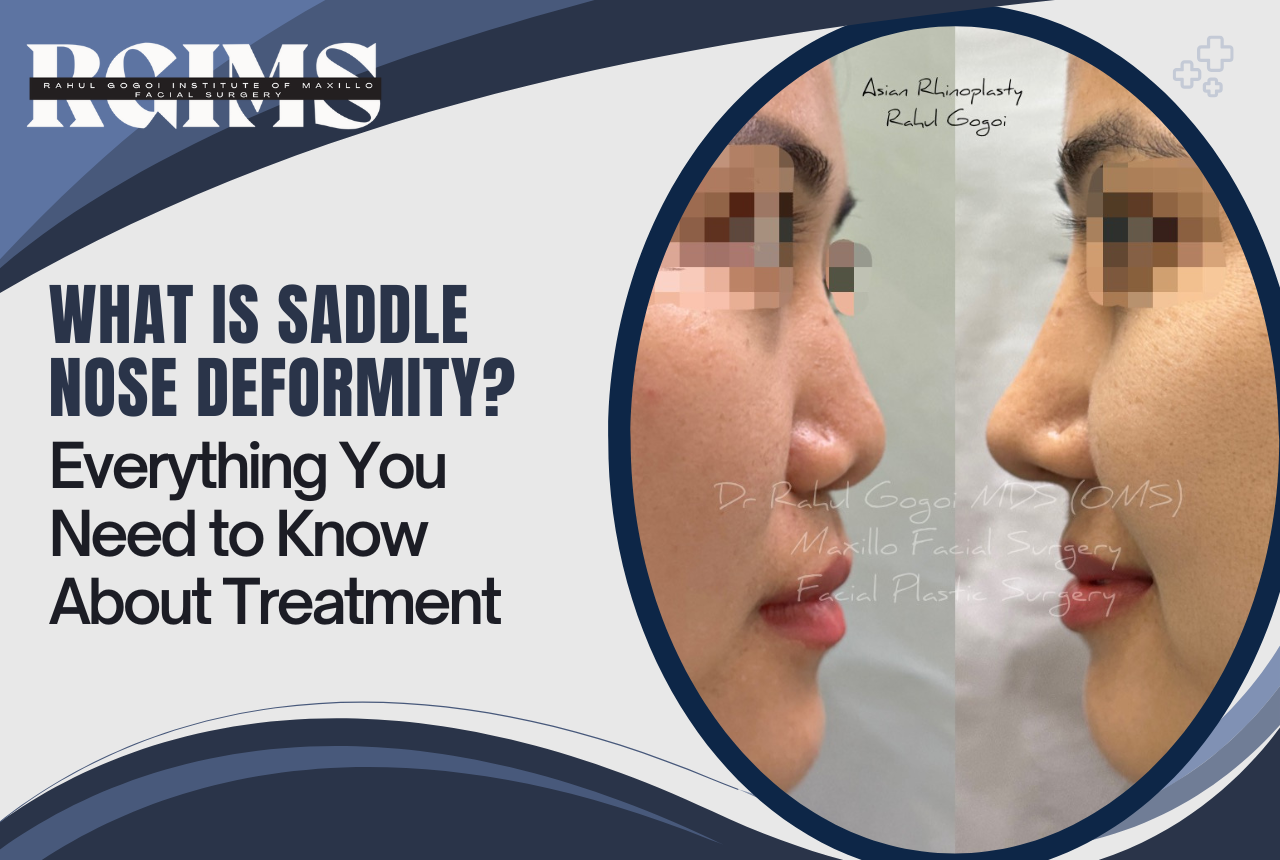
Saddle nose deformity refers to a collapsed nasal bridge that causes the middle portion of your nose to sag, creating a sunken-in, saddle-like appearance. The condition gets its distinctive name from the depression that forms in the nasal bridge, resembling the shape of a saddle when viewed from the side.
This loss of nasal height occurs because of collapse or damage to the cartilage and bone structures that normally support the nose. The nasal septum, which acts as the central pillar of the nose, plays a vital role in maintaining structural integrity. When this support system becomes compromised, the nasal bridge can sink inward, creating the characteristic saddle deformity.
The severity of saddle nose can vary dramatically from person to person. Some individuals experience only a slight indentation, while others face significant structural collapse that affects both appearance and breathing function.
Recognizing the Symptoms of Saddle Nose Deformity
Understanding the signs of saddle nose deformity helps individuals seek timely treatment. The symptoms can be both cosmetic and functional, affecting quality of life in multiple ways.
Visible Physical Changes:
The most obvious sign is the characteristic depression or sunken appearance in the nasal bridge. Healthcare providers categorize saddle nose deformities into three stages: minimal saddle nose involves a small depression in the dorsum, moderate saddle nose shows a larger depression with the nose appearing flattened from all angles and the tip potentially turning upward, and major saddle nose displays an obvious lack of bony support and cartilage with the dorsum sinking in and the tip turning upward.
From the front view, the affected area may appear wider or flatter than normal due to the loss of height. The nose may also look shortened overall, and in severe cases, the nostrils can appear broader, contributing to what some describe as a “flat nose” or “pug nose” appearance.
Functional Breathing Problems:
When the bridge collapses, it can obstruct the nasal passages, making it challenging to breathe through the nose, with individuals experiencing chronic nasal congestion, a persistent feeling of obstruction, or difficulty breathing, particularly during physical activity or when lying down.
These breathing difficulties often force individuals to breathe through their mouths, which can lead to dry mouth, disrupted sleep patterns, and reduced oxygen intake during exercise. Some patients also experience snoring or symptoms of sleep apnea due to the altered shape of the airways.
Associated Symptoms:
Patients may experience facial pain, recurrent nosebleeds, episodic loss of smell, nasal discharge with pus, and nasal crusting. These symptoms can significantly impact daily comfort and quality of life.
What Causes Saddle Nose Deformity?
Saddle nose deformity can develop through various pathways, each affecting the nasal structure differently. Understanding the underlying cause is essential for determining the most appropriate treatment approach.
Nasal Trauma and Injury:
Trauma is the most common cause of saddle nose deformity, with impact to the front of the nose causing damage to the internal cartilage and septum, leading to the bridge of the nose collapsing. This can occur from sports injuries, motor vehicle accidents, physical altercations, or any blunt force trauma to the face.
Athletes in contact sports such as boxing, mixed martial arts, football, and rugby face higher risk due to repeated facial impacts. When the septum fractures during trauma, it becomes weakened, resulting in gradual or immediate loss of nasal height.
Complications from Nasal Surgery:
Septoplasty surgery to correct a deviated septum may result in saddle nose deformity, particularly in severe cases of deviated septum. If excessive amounts of cartilage or bone are removed during surgery without ensuring adequate structural support, the nasal bridge may become unstable and over time this lack of support can lead to gradual collapse.
Previous rhinoplasty procedures that involved significant manipulation of the nasal structures can also lead to delayed collapse if proper support techniques weren’t employed during the original surgery.
Septal Hematoma and Abscess:
A septal hematoma refers to a collection of blood in the septum from trauma or surgery that can interfere with blood flow to the septum, leading to saddle nose, while a septal abscess occurs when infection collects in the septum, which can also hinder blood flow and cause saddling. These conditions require immediate medical attention to prevent permanent structural damage.
Autoimmune and Vascular Diseases:
Saddle nose deformity can occur in the setting of idiopathic inflammatory conditions such as granulomatosis with polyangiitis (formerly known as Wegener granulomatosis) and relapsing polychondritis, where autoimmune disorders cause the body’s immune system to attack its own tissues, including the cartilage in the nose.
As these diseases worsen, the septum may weaken due to decreased blood flow and lead to a sagging nasal bridge. Other conditions like systemic lupus erythematosus can also contribute to cartilage breakdown through chronic inflammation.
Infectious Diseases:
Certain bacterial infections such as syphilis and Hansen’s disease (leprosy) can affect bones and cartilage, meaning the nose doesn’t get enough blood, causing sagging and saddling. Syphilitic saddle nose may be acquired or congenital (present from birth).
Substance Use Disorder:
Inhaling drugs through the nose over long periods of time can damage the internal nasal structures, leading to the breakdown of the cartilage Cadogan Clinic. Chronic cocaine use, methamphetamine snorting, or crushing and inhaling opioid pills can all cause progressive deterioration of the nasal septum and surrounding tissues.
How Is Saddle Nose Deformity Diagnosed?
A healthcare provider can diagnose saddle nose during a physical examination by asking about symptoms in detail, discussing cosmetic goals, and inquiring about any breathing issues, and may take photographs to document the severity of the condition.
Specialized rhinoplasty surgeons use various assessment tools to evaluate the extent of structural damage. Endoscopic nasal examination allows for detailed visualization of internal nasal structures, helping identify the specific areas requiring reconstruction.
Advanced imaging studies such as CT scans may be ordered to assess the extent of bone and cartilage loss, particularly in cases involving trauma or autoimmune disease. This comprehensive evaluation helps surgeons develop a personalized treatment plan tailored to each patient’s unique anatomical needs.
Treatment Options for Saddle Nose Deformity
The approach to treating saddle nose deformity depends on the severity of the condition, the underlying cause, and whether there are functional breathing issues in addition to cosmetic concerns.
Surgical Rhinoplasty – The Gold Standard:
Surgery is the most common treatment for saddle nose deformity, with rhinoplasty (also known as a nose job) being plastic surgery to change the nose’s shape and size, where surgeons use a combination of bone, cartilage and tissue grafts to rebuild the nose and restore breathing.
Saddle nose correction typically requires an open rhinoplasty approach, which provides the surgeon with complete access to the nasal framework. This allows for precise placement of structural grafts that restore both height and support to the collapsed bridge.
Cartilage Grafting Techniques:
The treatment strategy is adapted to each stage of deformity: minimal saddle nose is treated by extracorporeal rhinoplasty, an inverted U-shaped conchal graft is used to treat moderate saddle nose, and costal cartilage is used to reconstruct major saddle nose.
For minimal deformities, cartilage can be harvested from the ear (conchal cartilage) or remaining nasal septum. These grafts provide adequate support for mild to moderate cases while minimizing donor site morbidity.
In severe cases requiring substantial structural reconstruction, rib cartilage (costal cartilage) offers the strength and volume needed to rebuild the nasal framework completely. Although this requires a small incision on the chest to harvest the cartilage, it provides excellent long-term stability and natural results.
Non-Surgical Options for Mild Cases:
In mild cases when appearance is the main concern, dermal fillers can correct saddle nose in what some people call nonsurgical rhinoplasty, though results are temporary and treatments are needed every six months to maintain them, and dermal fillers cannot improve breathing issues that arise from saddle nose deformity.
Injectable fillers such as hyaluronic acid can temporarily camouflage minor depressions in the nasal bridge. This option may be suitable for patients seeking subtle improvement without surgery or those who wish to preview potential results before committing to permanent correction.
Revision Rhinoplasty:
For patients who developed saddle nose deformity as a complication of previous nasal surgery, revision rhinoplasty becomes necessary. This specialized procedure addresses the challenges of working with previously altered anatomy and scar tissue while rebuilding the nasal structure.
Selecting an experienced facial plastic surgeon with expertise in revision rhinoplasty is crucial for achieving successful outcomes in these complex cases.
Recovery and Results After Saddle Nose Correction
In general, most people feel better in four to six weeks after rhinoplasty, however the nose will continue to heal over the course of a year, with the recovery timeline varying for everyone.
During the first few weeks following surgery, swelling and bruising around the nose and eyes are normal. Most patients can return to work and non-strenuous activities within 10 to 14 days. A nasal splint is typically worn for one week to protect the reconstructed structures.
In the immediate aftermath of surgery, it is common to experience swelling, bruising, and nasal congestion as natural parts of the healing process that will progressively diminish over several weeks to months.
Patients should avoid strenuous exercise, contact sports, and activities that could risk impact to the nose for at least six weeks. Following your surgeon’s post-operative instructions carefully helps ensure optimal healing and long-lasting results.
Prevention: Can Saddle Nose Deformity Be Avoided?
You cannot always prevent saddle nose deformity as in some cases it is a symptom of unavoidable trauma or may be congenital (meaning you are born with it) Cleveland Clinic. However, several preventive measures can reduce your risk:
Protective Measures:
- Wear appropriate protective gear during contact sports, including nose guards and face shields
- Use seatbelts and practice safe driving to minimize injury risk in vehicle accidents
- Seek immediate medical attention for any nasal trauma to prevent complications
Health Precautions:
- Practice safe sexual behaviors to reduce the risk of syphilis and syphilitic saddle nose
- Avoid inhaling drugs through the nose, including cocaine, methamphetamines, or crushed prescription pills
- Seek proper medical management for autoimmune and vascular diseases that can affect nasal cartilage
Surgical Considerations: When undergoing nasal surgery, choose a board-certified facial plastic surgeon or otolaryngologist with extensive experience in rhinoplasty. Ensure your surgeon uses proper techniques to preserve adequate structural support during procedures involving the nasal septum.
Why Choose RGIMS Guwahati for Saddle Nose Correction?
At RGIMS Guwahati, we understand that saddle nose deformity affects more than just appearance—it impacts breathing, confidence, and overall quality of life. Under the skilled leadership of Dr. Rahul Gogoi, our center offers:
Specialized Expertise: Dr. Gogoi is a distinguished maxillofacial surgeon with extensive training in complex facial reconstruction and aesthetic rhinoplasty procedures. His experience in treating saddle nose deformities ranges from minimal to severe cases.
Comprehensive Evaluation: We conduct thorough assessments to identify the underlying cause of your saddle nose deformity and develop a personalized treatment plan that addresses both functional and aesthetic concerns.
Advanced Techniques: Our surgical approaches incorporate the latest innovations in cartilage grafting, structural reconstruction, and precision rhinoplasty to achieve natural-looking, long-lasting results.
Patient-Centered Care: We prioritize open communication, realistic expectations, and compassionate support throughout your treatment journey, from initial consultation through complete recovery.
State-of-the-Art Facilities: As the first dedicated cosmetic surgery center in North East India, RGIMS provides world-class surgical facilities with modern equipment and stringent safety protocols.
When Should You Seek Treatment?
You should schedule a visit with a healthcare provider at the first sign of saddle nose, as the sooner you undergo treatment, the more predictable your results.
Early intervention can prevent progressive worsening of the deformity and may allow for less extensive surgical correction. If you notice changes in the shape of your nasal bridge following trauma, surgery, or as a symptom of an underlying medical condition, prompt evaluation is essential.
Saddle nose deformity may be a symptom of more serious autoimmune disorders including relapsing polychondritis and granulomatosis with polyangiitis, making timely medical assessment even more critical.
Conclusion: Restoring Function, Confidence, and Quality of Life
Saddle nose deformity is a complex condition that can significantly impact both physical function and emotional well-being. Whether caused by trauma, previous surgery, medical conditions, or other factors, this nasal bridge collapse deserves expert attention and appropriate treatment.
Most people with saddle nose deformity can correct the issue with rhinoplasty, with success of treatment depending on several factors including the severity of the condition. Modern surgical techniques, particularly when performed by experienced facial plastic surgeons, offer excellent outcomes with high patient satisfaction rates.
At RGIMS Guwahati, we are committed to helping patients restore nasal function, facial harmony, and self-confidence through advanced rhinoplasty techniques tailored to individual needs. If you are experiencing symptoms of saddle nose deformity or have concerns about your nasal appearance and breathing, we invite you to schedule a consultation with Dr. Rahul Gogoi.
Take the First Step Toward Restoration
Don’t let saddle nose deformity continue to affect your breathing, appearance, or confidence. Contact RGIMS Guwahati today to learn more about your treatment options and begin your journey toward a healthier, more confident you.
Ready to restore your nasal function and facial harmony? Schedule your consultation with Dr. Rahul Gogoi at RGIMS Guwahati—North East India’s leading center for facial plastic surgery and rhinoplasty expertise.